Generative design techniques for robot behavior (III)
Abstract
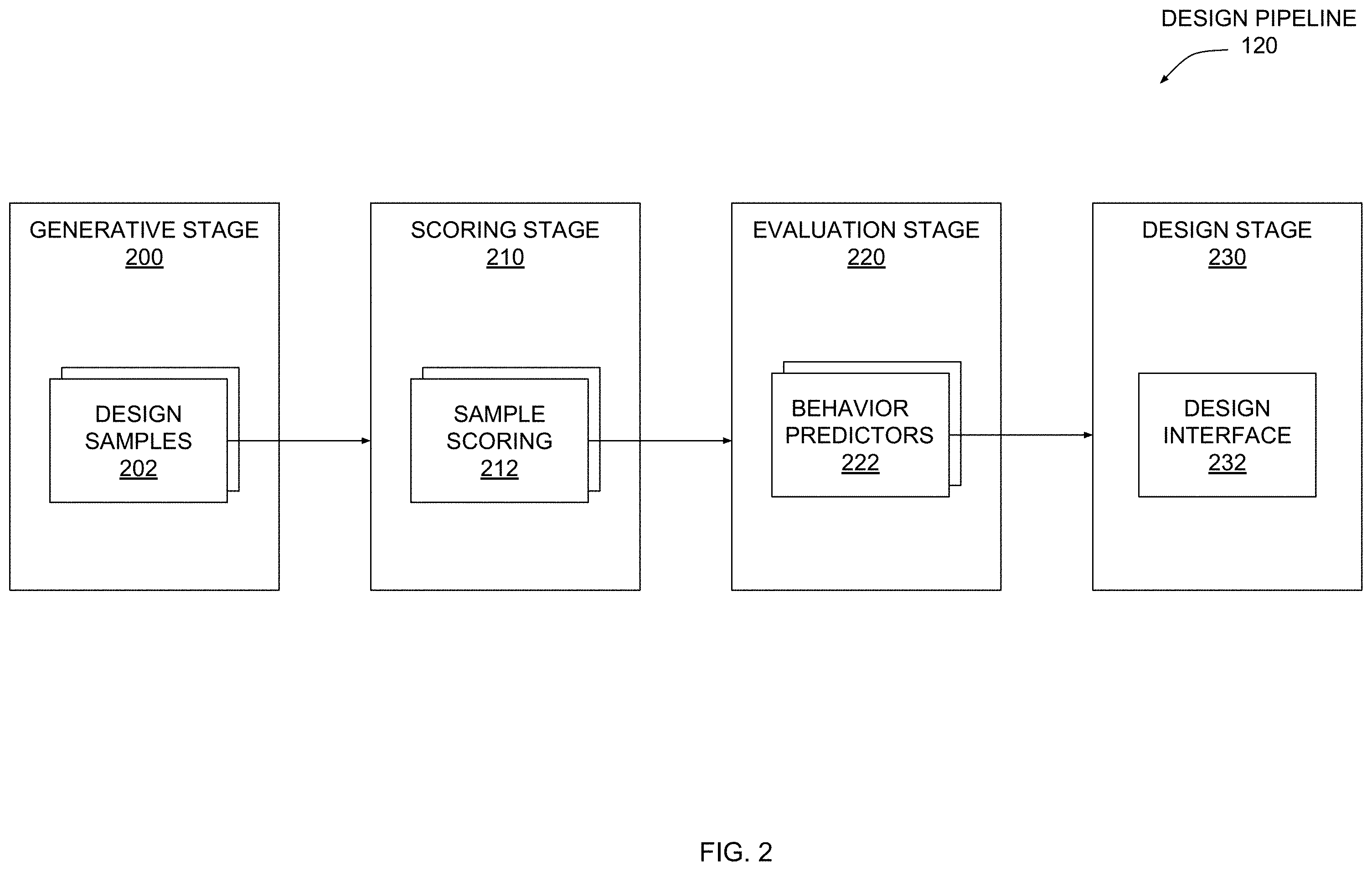
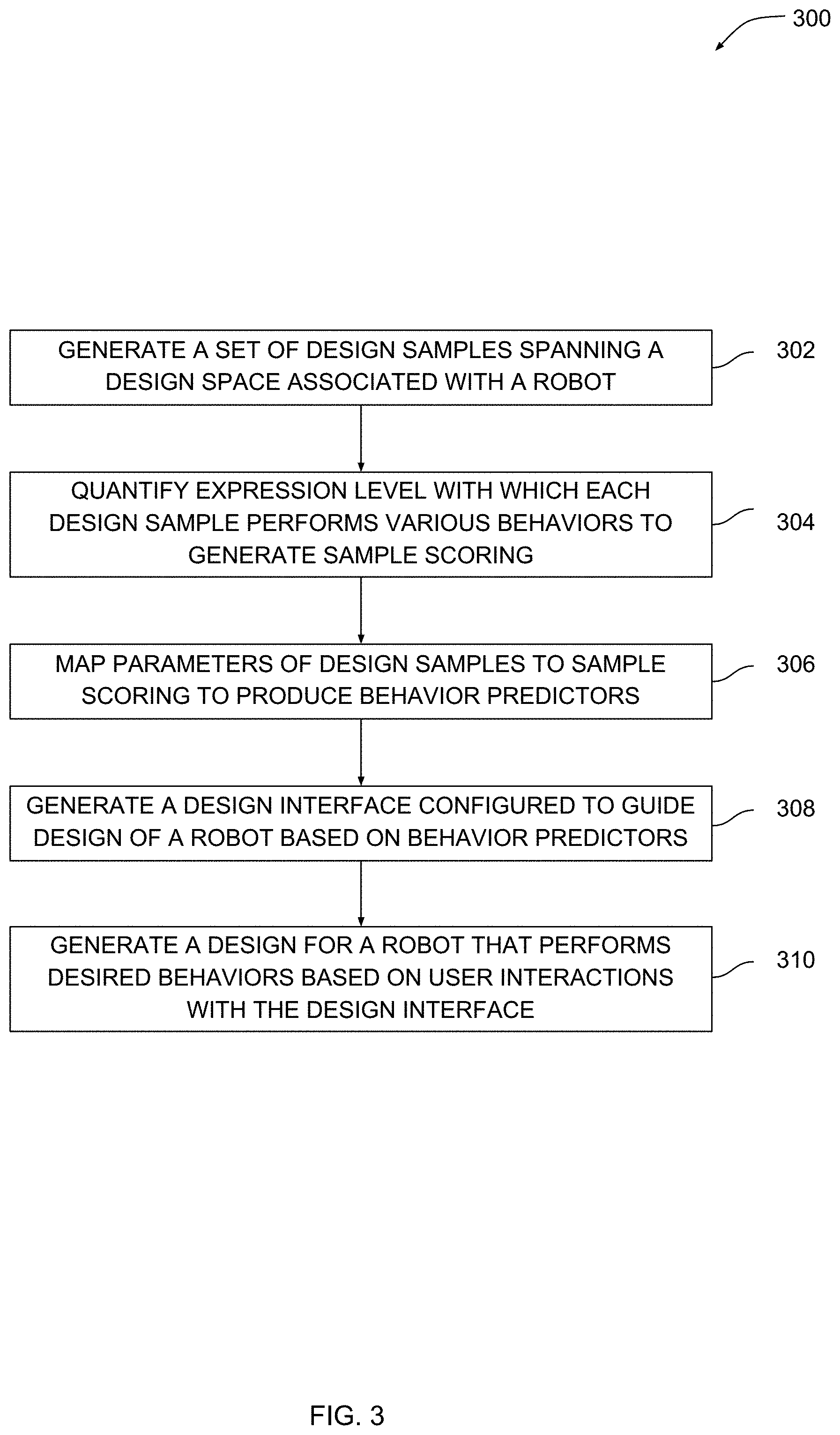
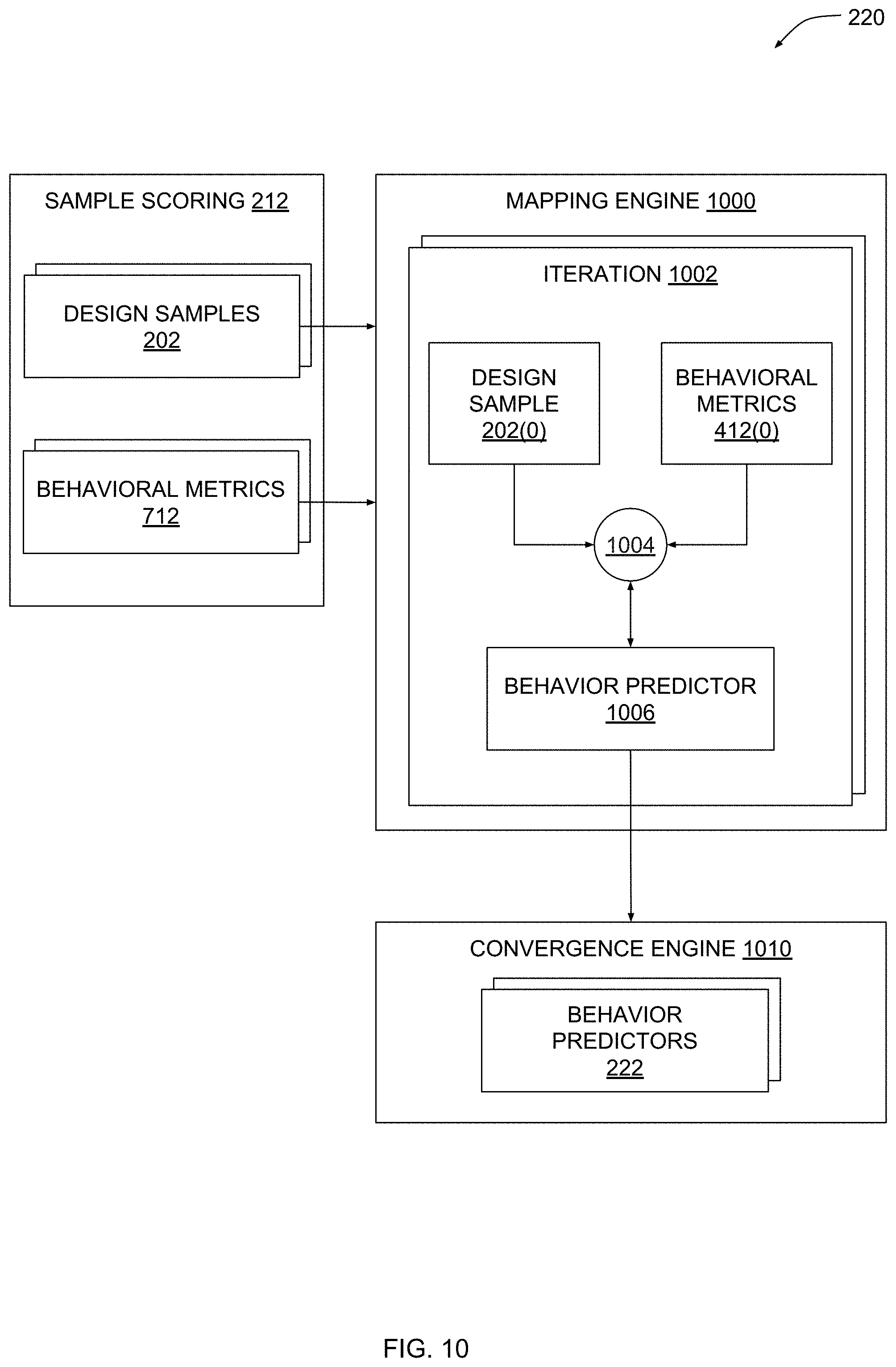
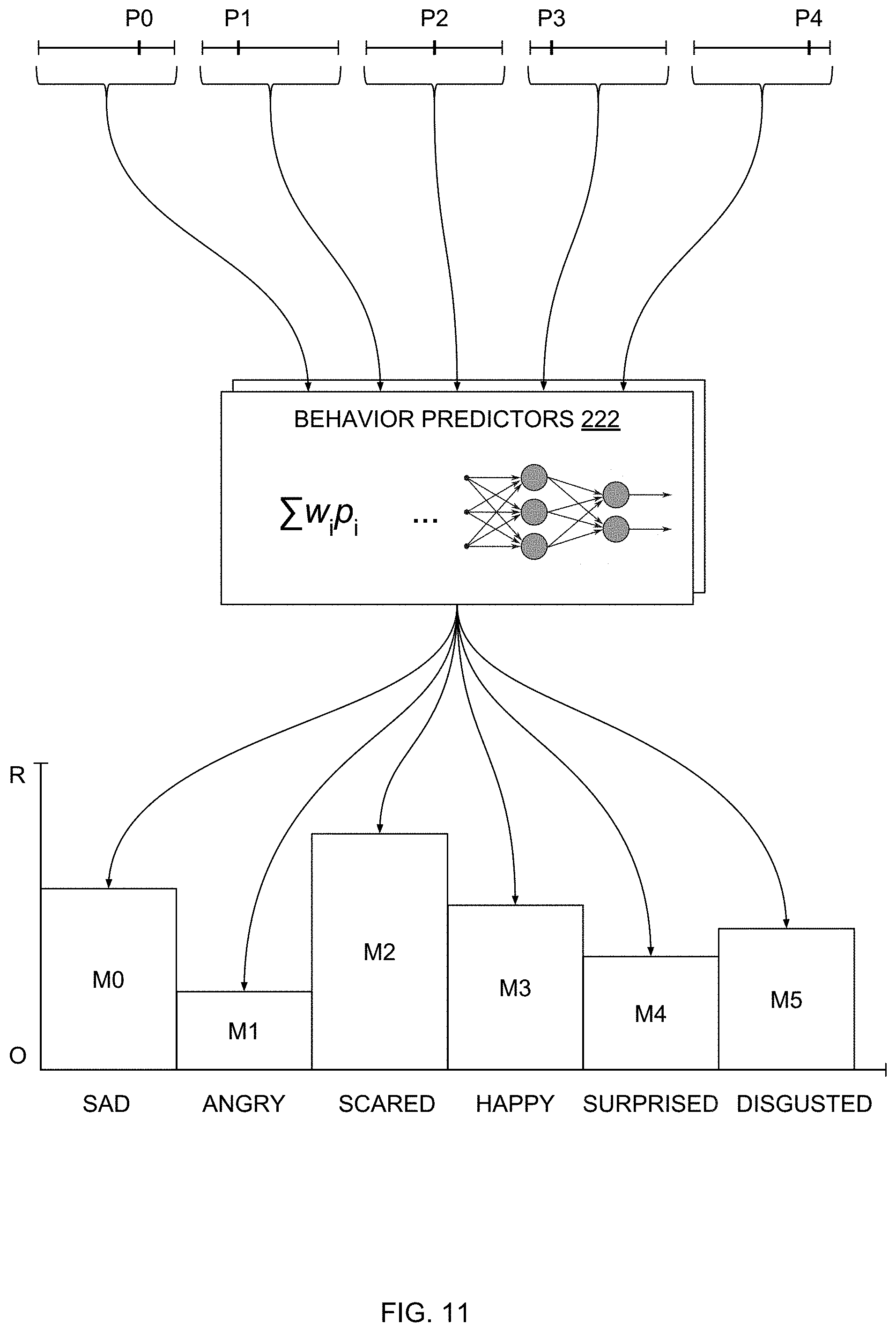
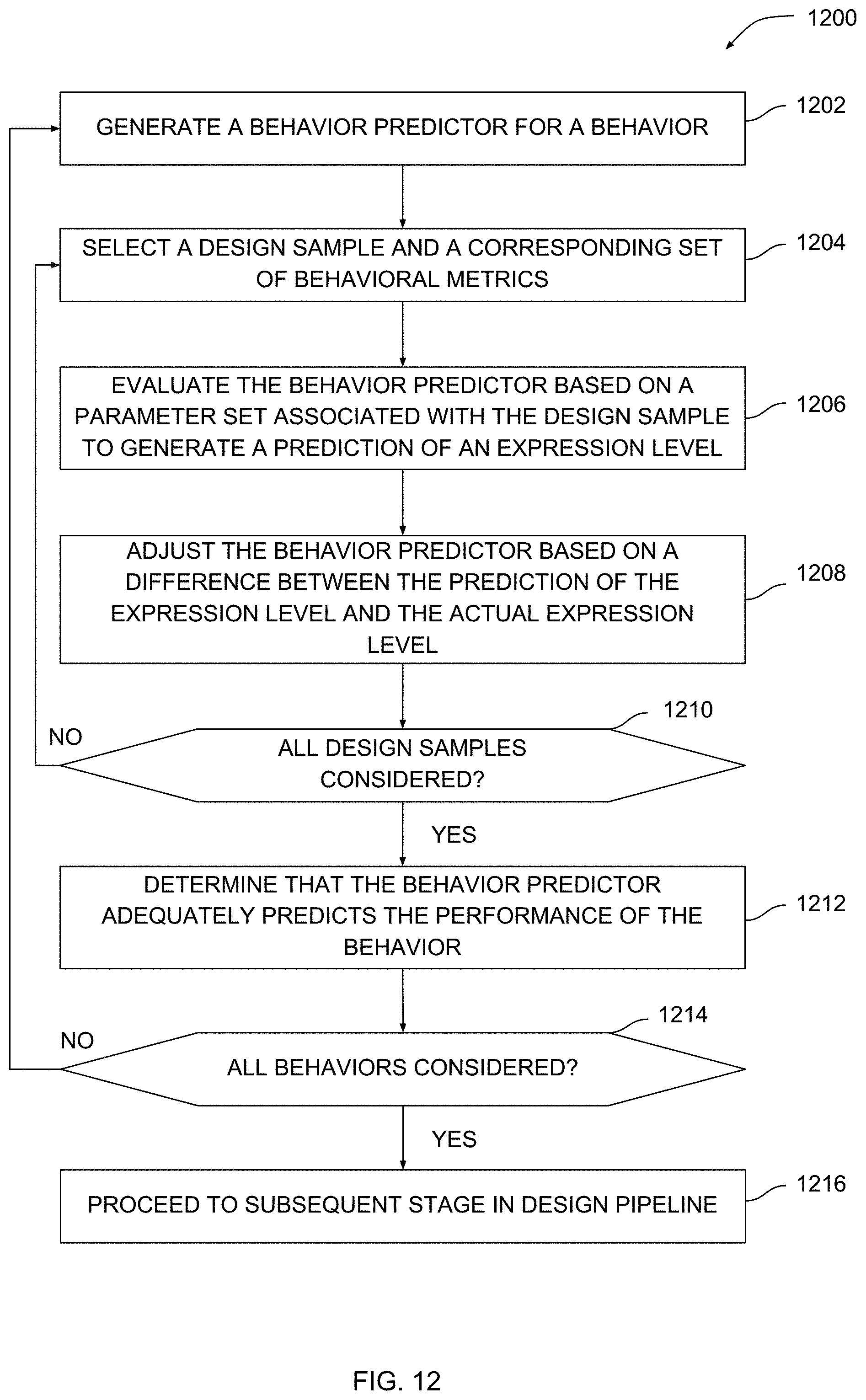
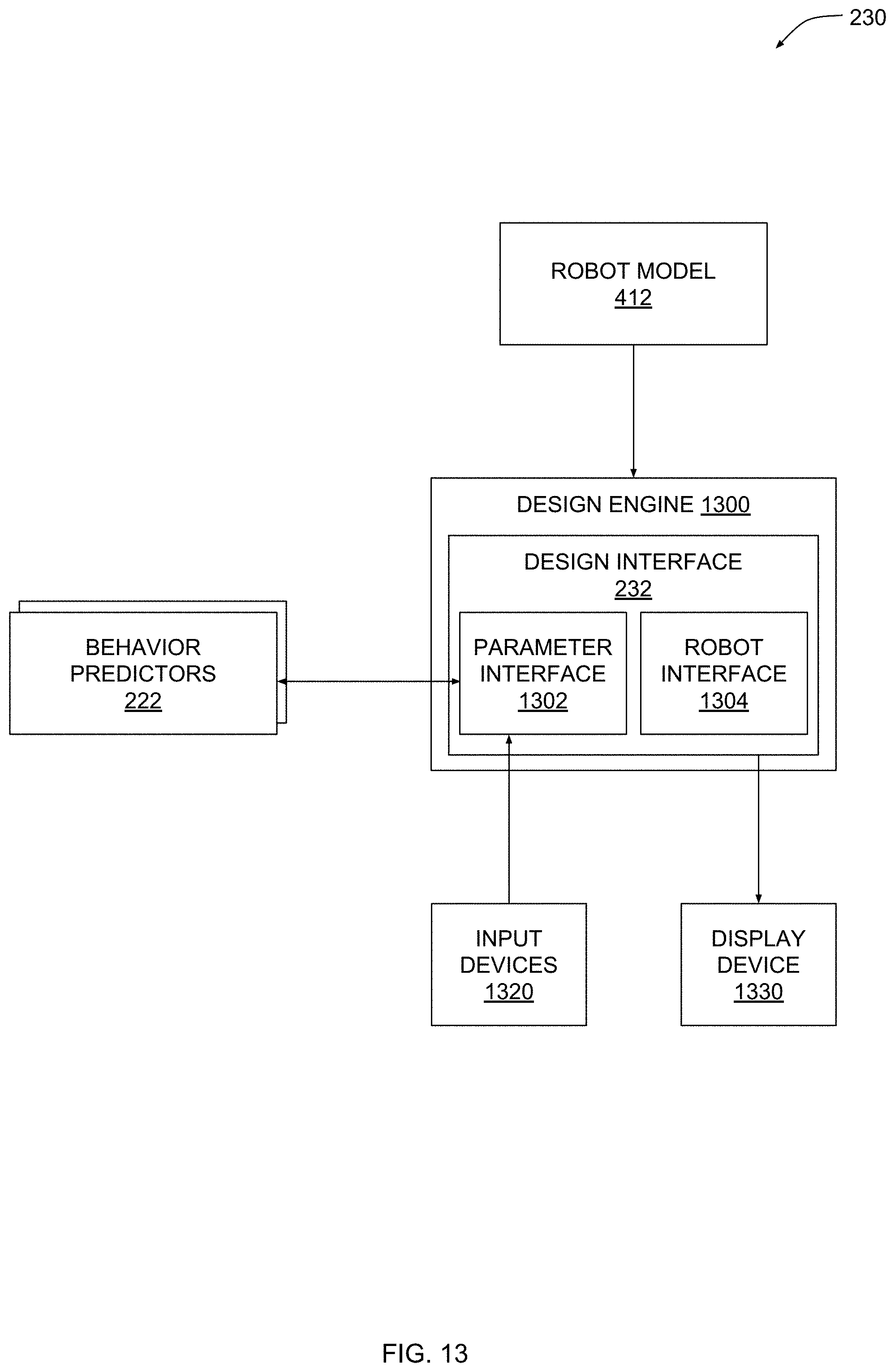
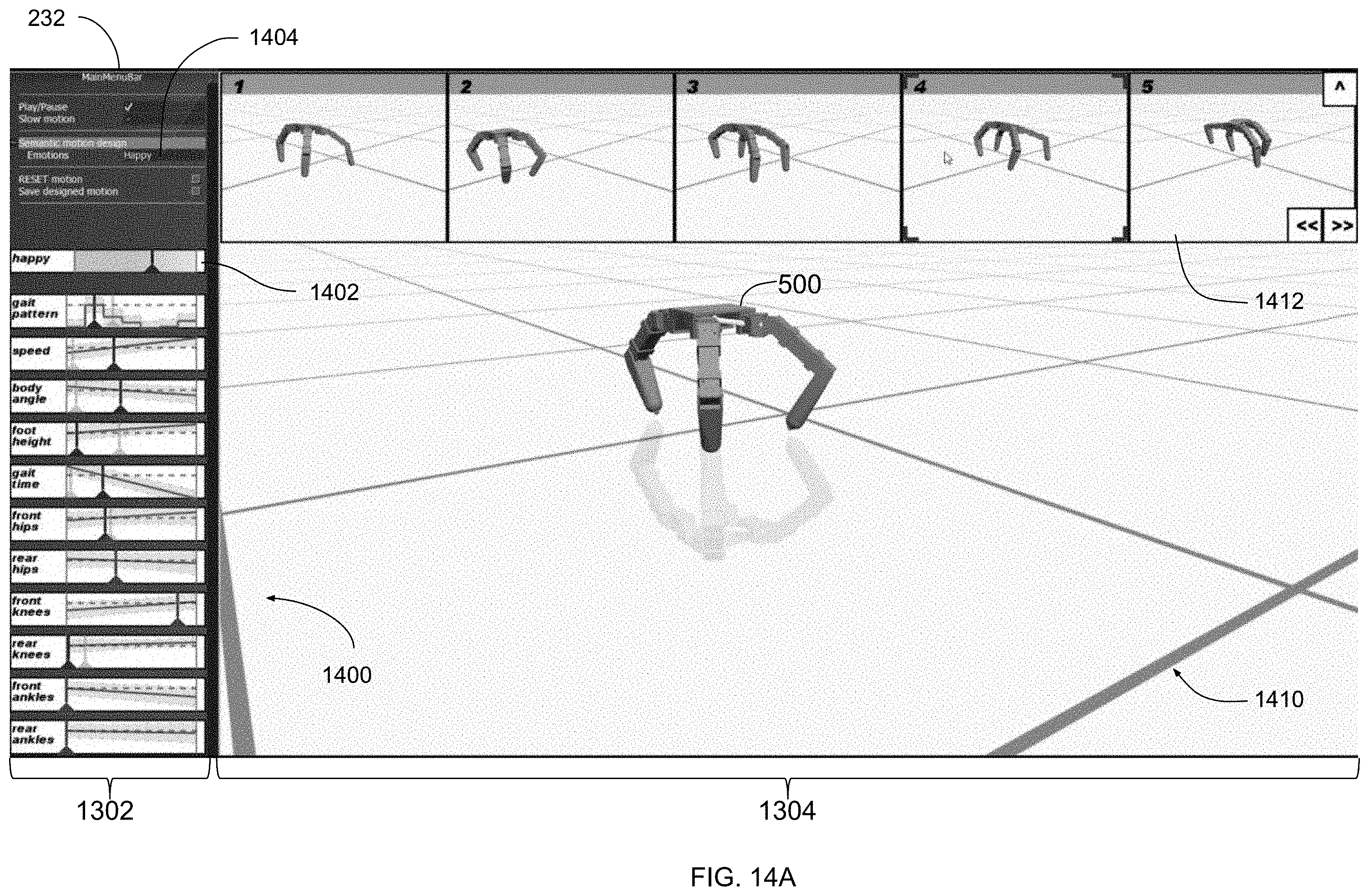
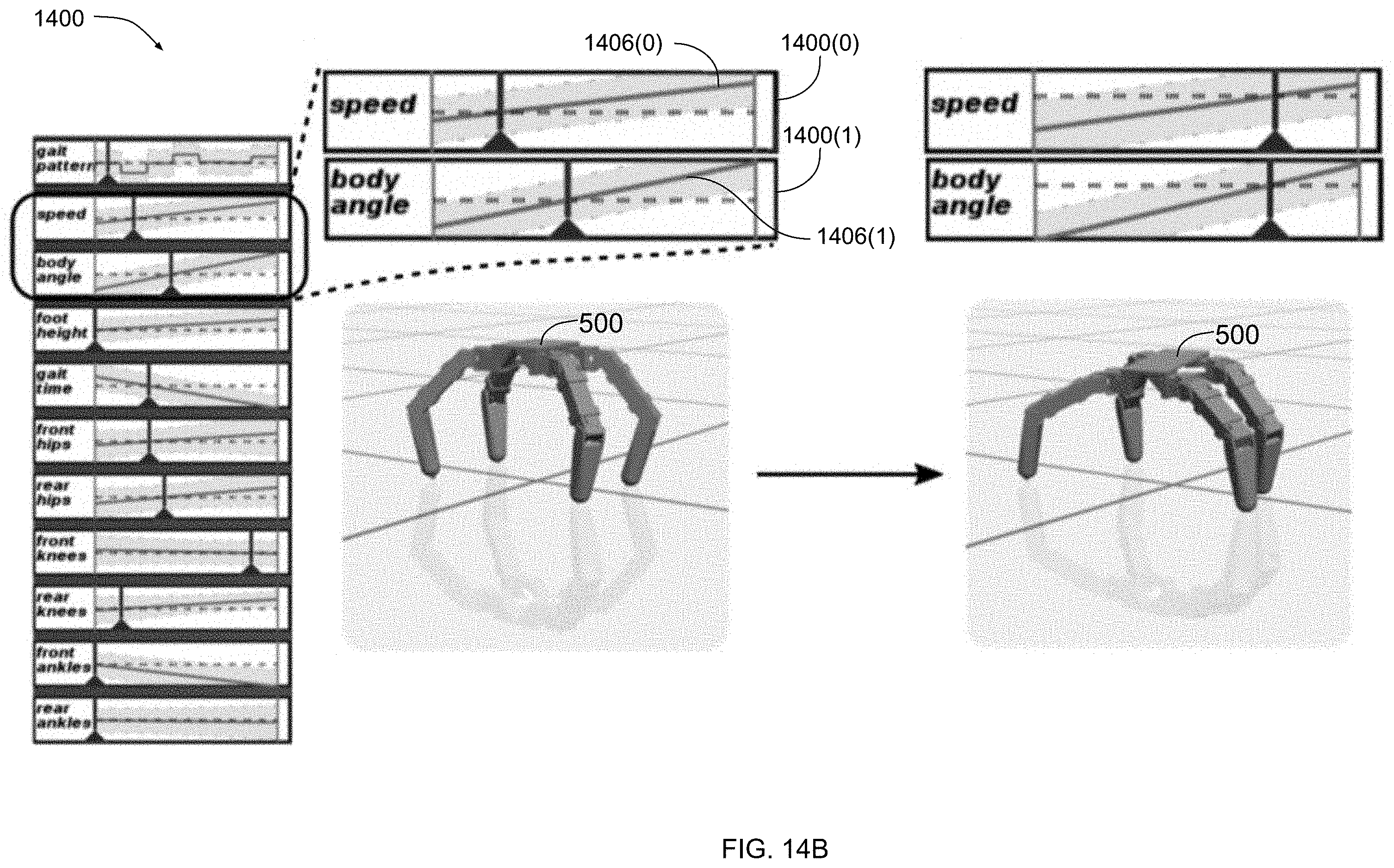
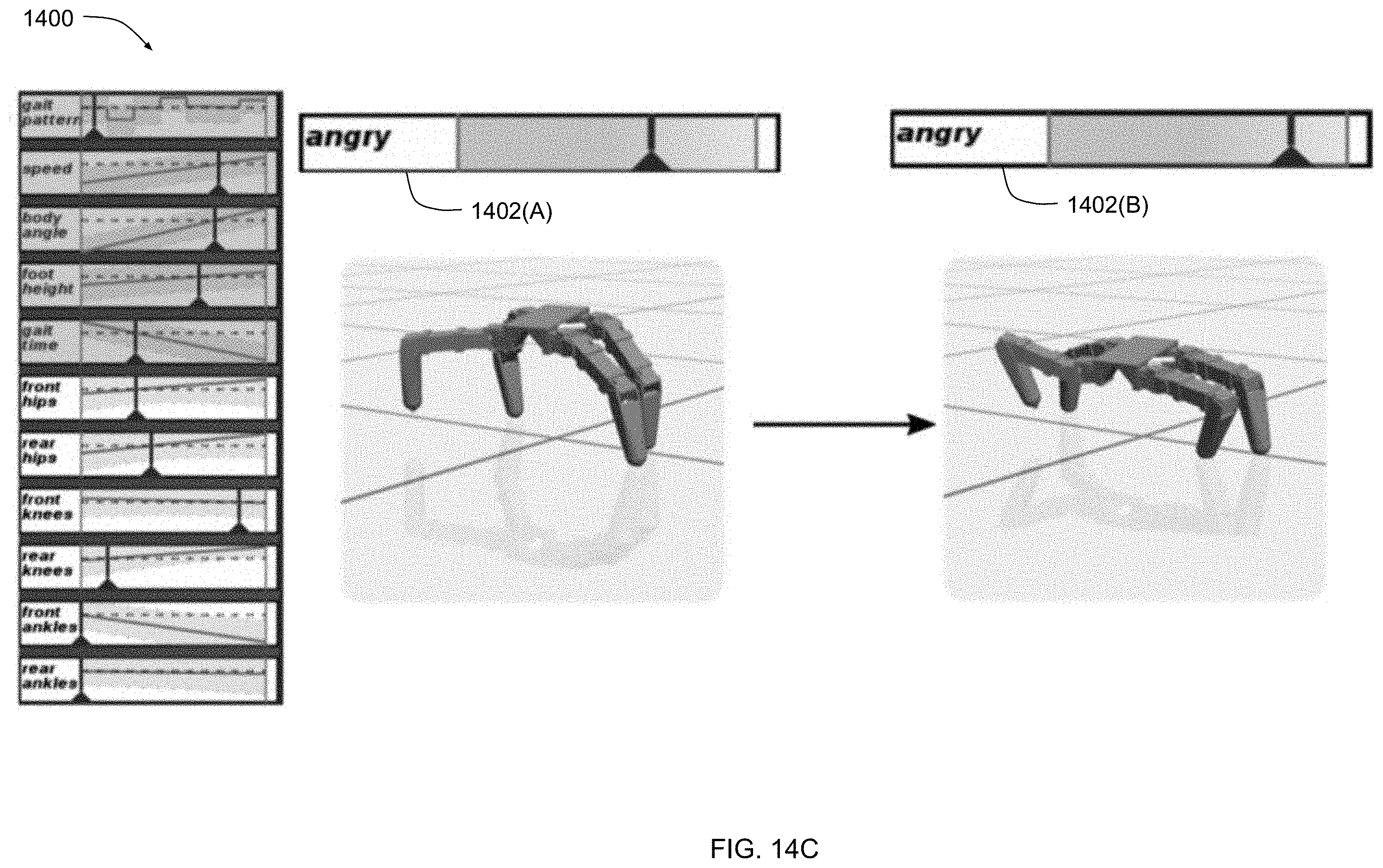
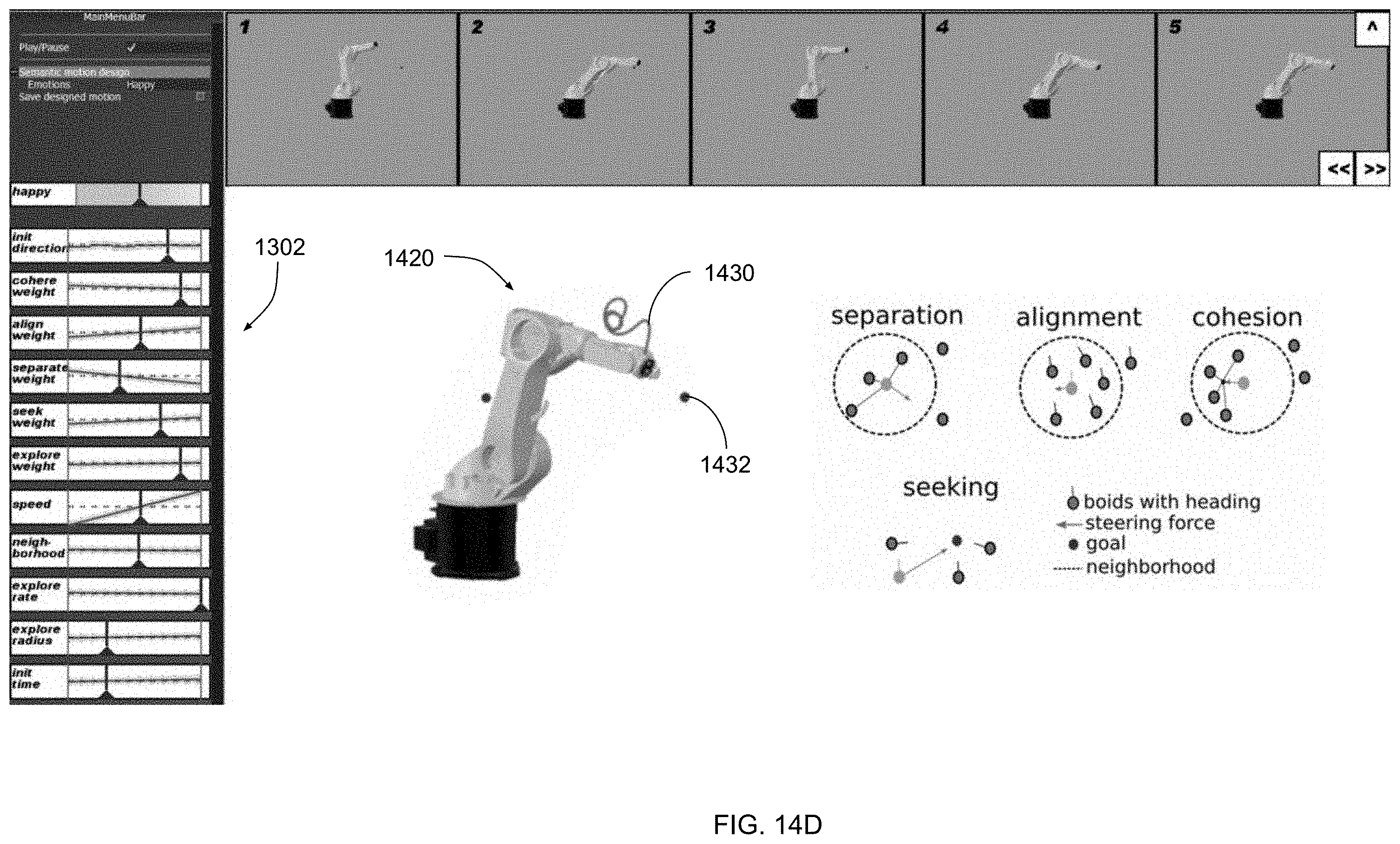
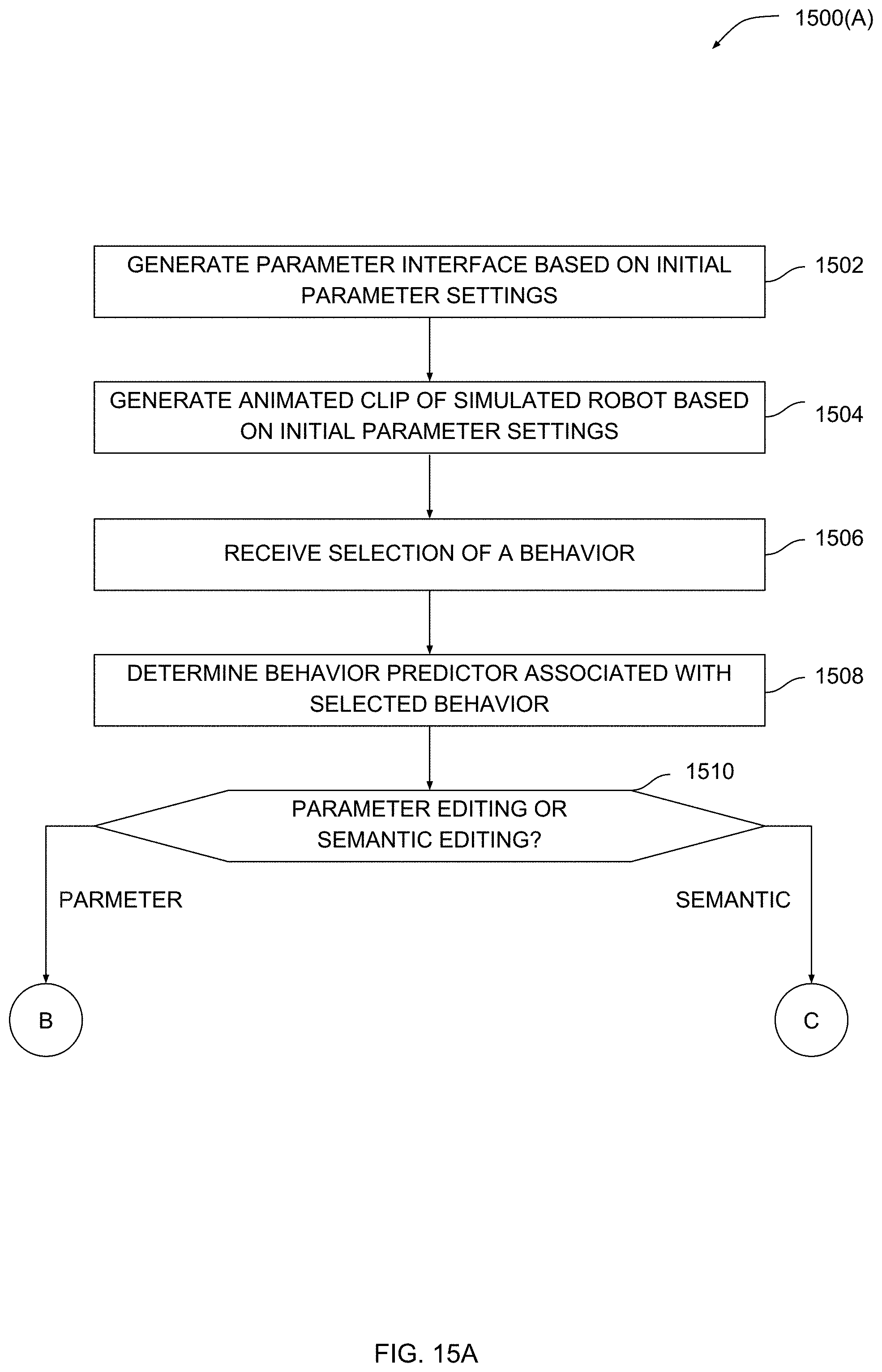
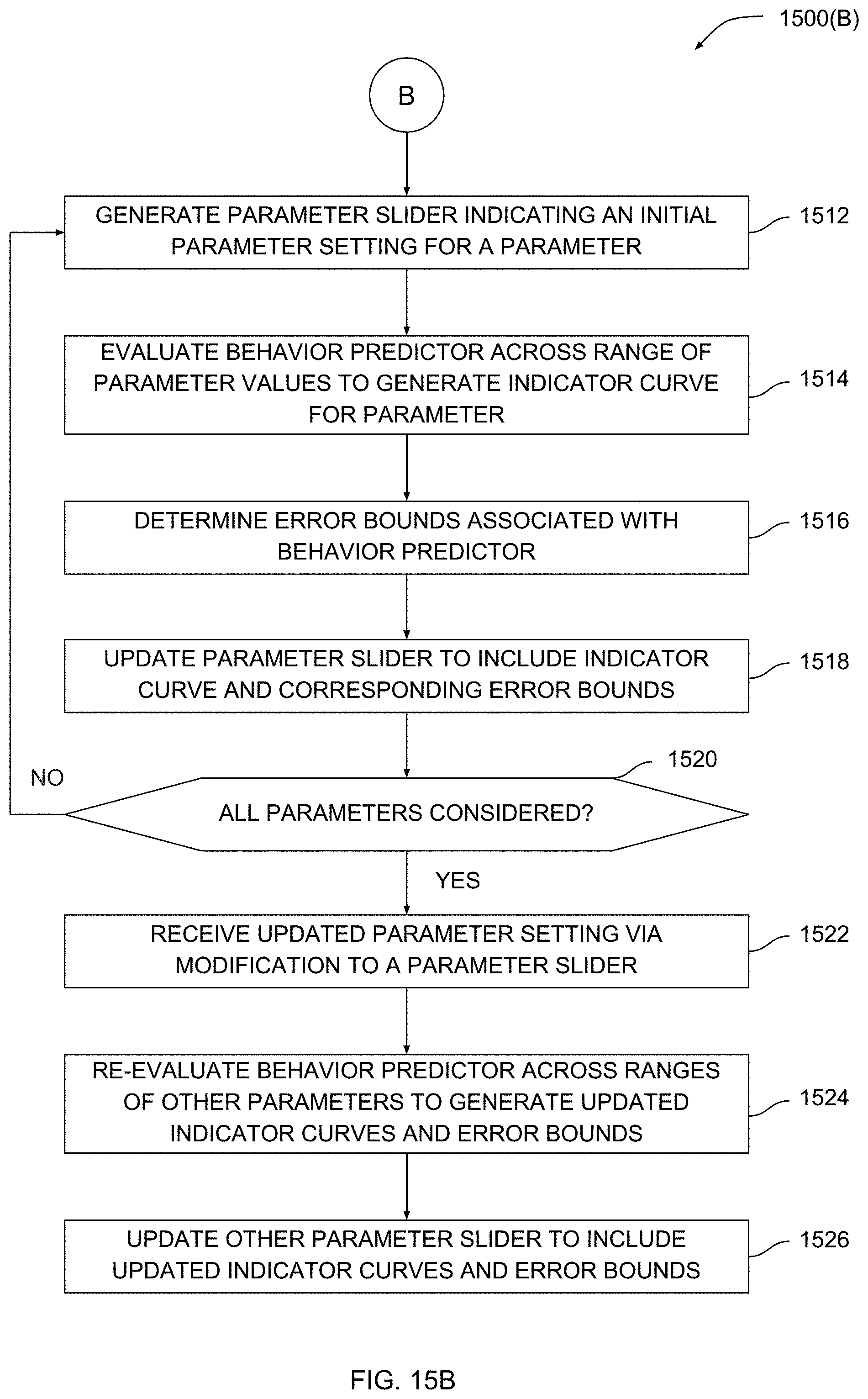
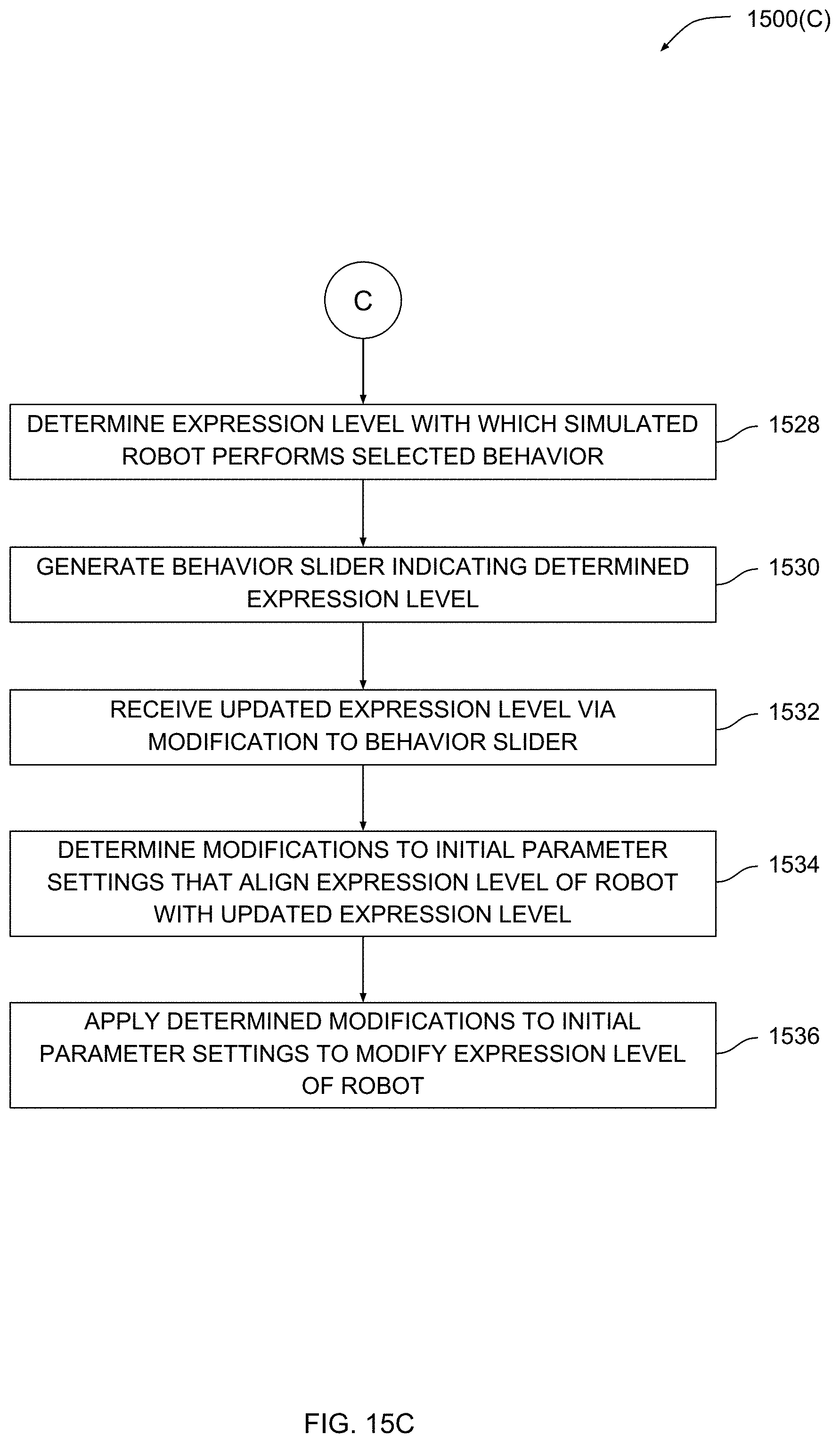
An automated robot design pipeline facilitates the overall process of designing robots that perform various desired behaviors. The disclosed pipeline includes four stages. In the first stage, a generative engine samples a design space to generate a large number of robot designs. In the second stage, a metric engine generates behavioral metrics indicating a degree to which each robot design performs the desired behaviors. In the third stage, a mapping engine generates a behavior predictor that can predict the behavioral metrics for any given robot design. In the fourth stage, a design engine generates a graphical user interface (GUI) that guides the user in performing behavior-driven design of a robot. One advantage of the disclosed approach is that the user need not have specialized skills in either graphic design or programming to generate designs for robots that perform specific behaviors or express various emotions.
Figures