k
j

![]()
CommunityCommands: Command Recommendations for Software Applications
Abstract
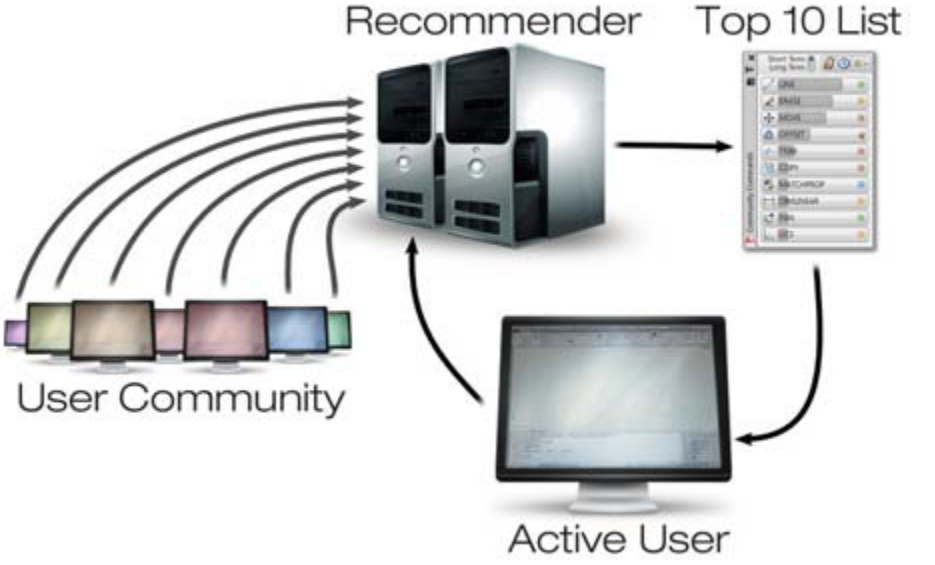
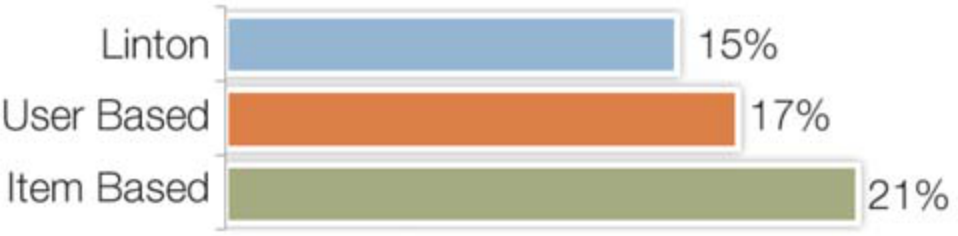
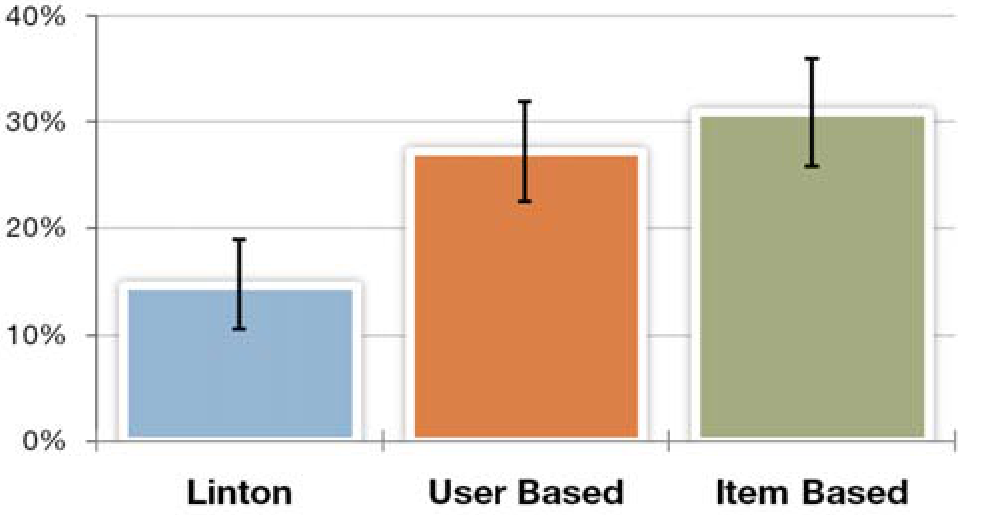
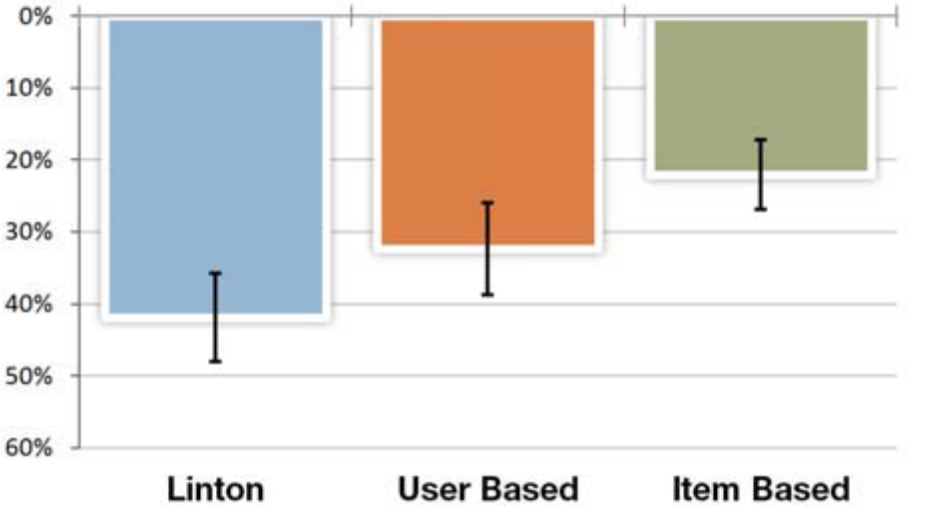
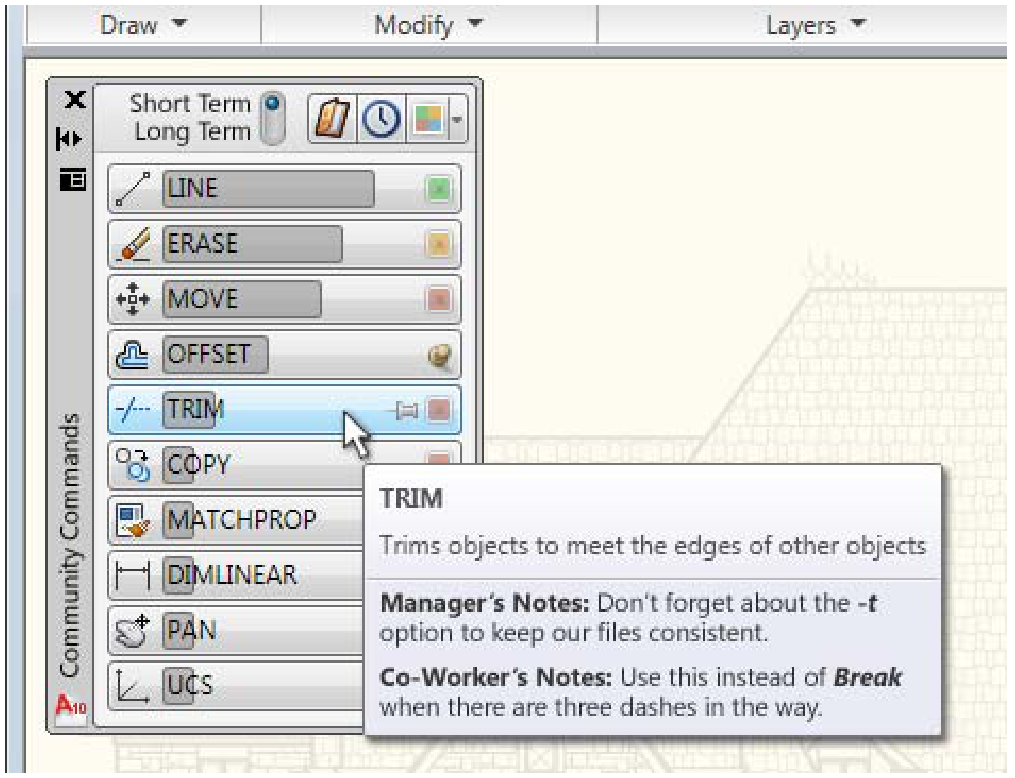
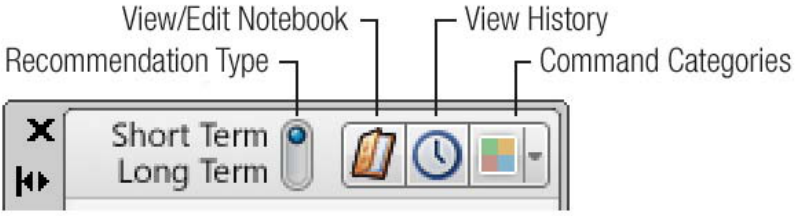
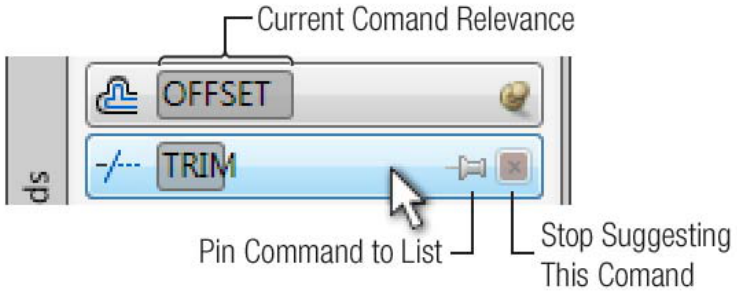
We explore the use of modern recommender system technology to address the problem of learning software applications. Before describing our new command recommender system, we first define relevant design considerations. We then discuss a 3 month user study we conducted with professional users to evaluate our algorithms which generated customized recommendations for each user. Analysis shows that our item-based collaborative filtering algorithm generates 2.1 times as many good suggestions as existing techniques. In addition we present a prototype user interface to ambiently present command recommendations to users, which has received promising initial user feedback.
Figures
BibTeX
@inproceedings{10.1145/1622176.1622214,
 abstract = {We explore the use of modern recommender system technology to address the problem of learning software applications. Before describing our new command recommender system, we first define relevant design considerations. We then discuss a 3 month user study we conducted with professional users to evaluate our algorithms which generated customized recommendations for each user. Analysis shows that our item-based collaborative filtering algorithm generates 2.1 times as many good suggestions as existing techniques. In addition we present a prototype user interface to ambiently present command recommendations to users, which has received promising initial user feedback.},
 address = {New York, NY, USA},
 author = {Matejka, Justin and Li, Wei and Grossman, Tovi and Fitzmaurice, George},
 booktitle = {Proceedings of the 22nd Annual ACM Symposium on User Interface Software and Technology},
 doi = {10.1145/1622176.1622214},
 isbn = {9781605587455},
 keywords = {recommender},
 location = {Victoria, BC, Canada},
 numpages = {10},
 pages = {193–202},
 publisher = {Association for Computing Machinery},
 series = {UIST '09},
 title = {CommunityCommands: Command Recommendations for Software Applications},
 url = {https://doi.org/10.1145/1622176.1622214},
 year = {2009}
}