Interaction Techniques for Comparing Video
Abstract
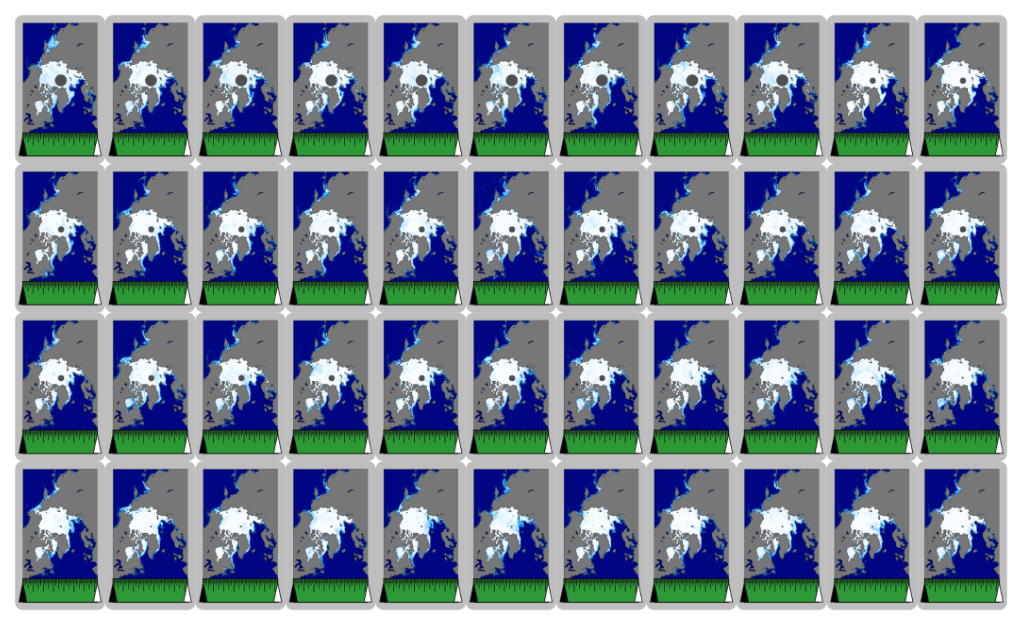
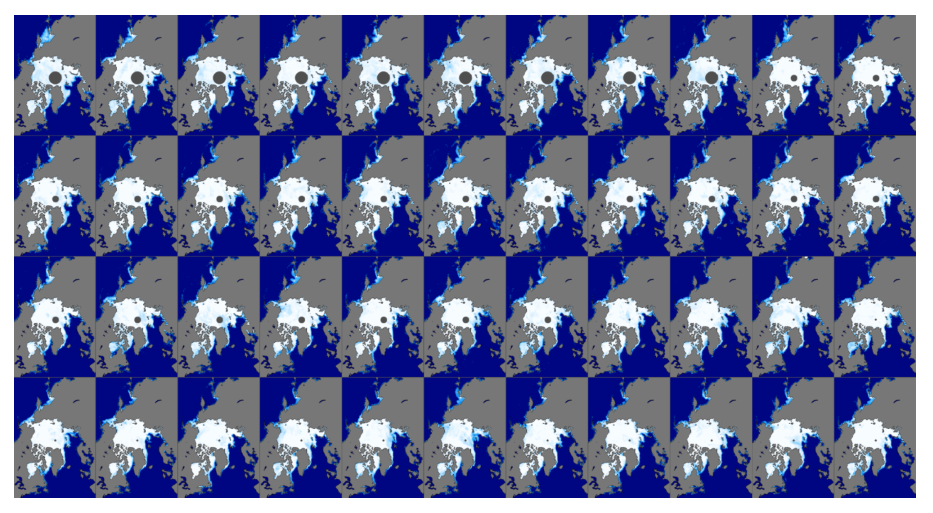
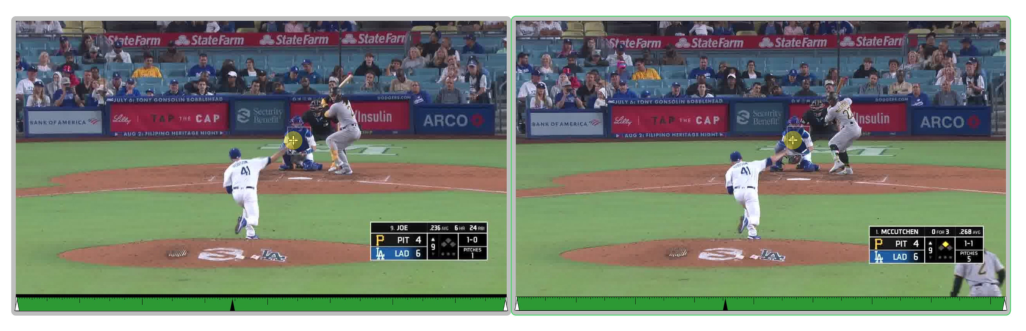
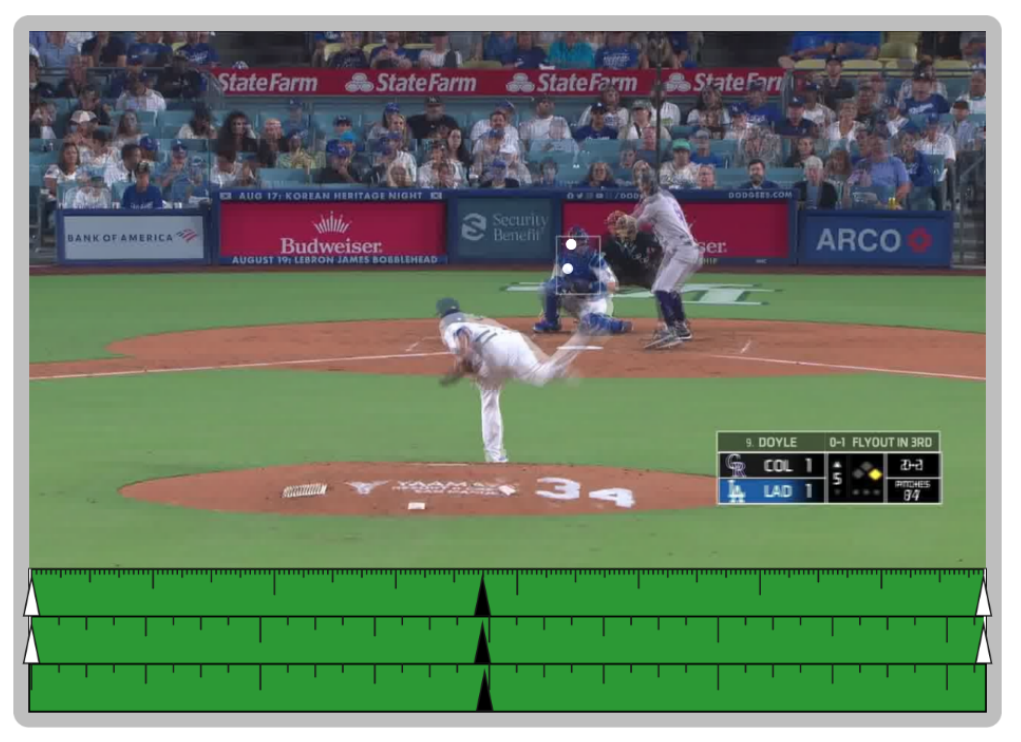
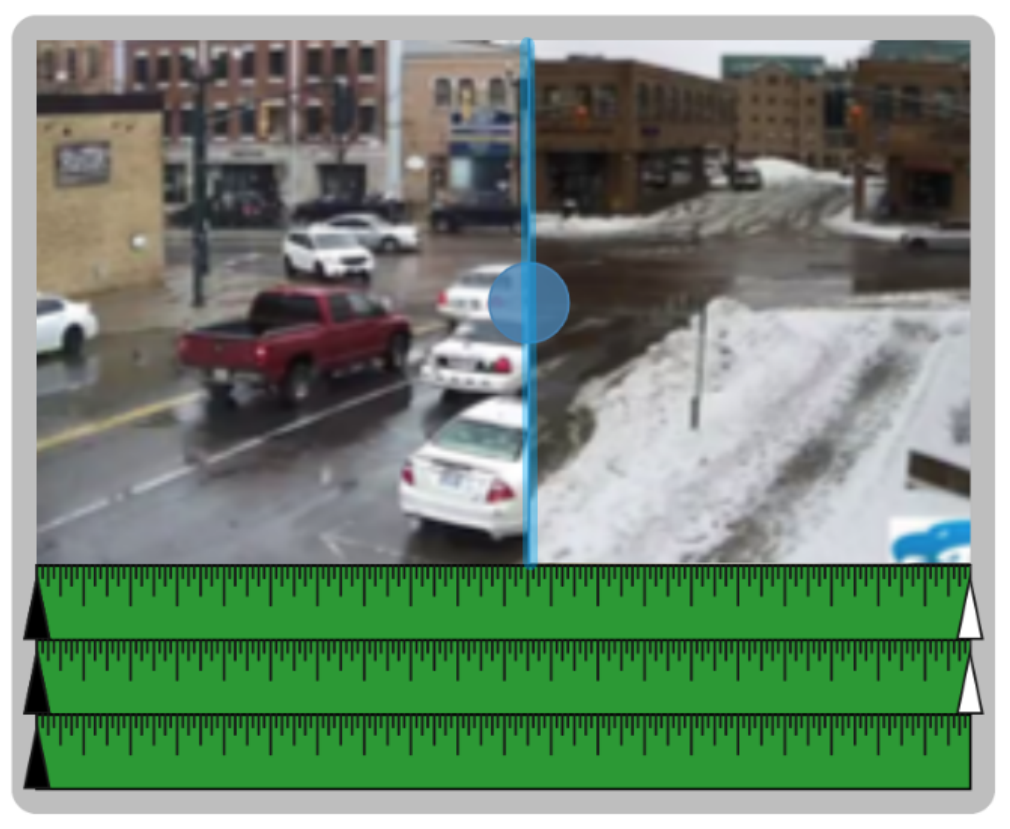
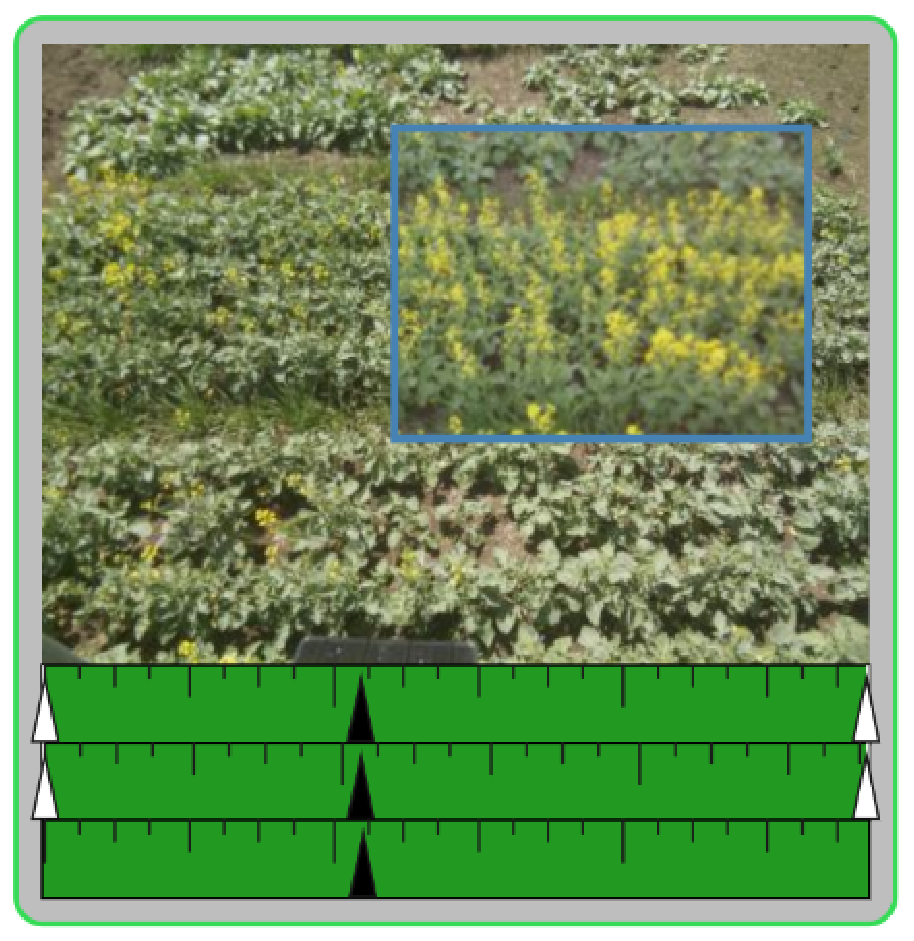
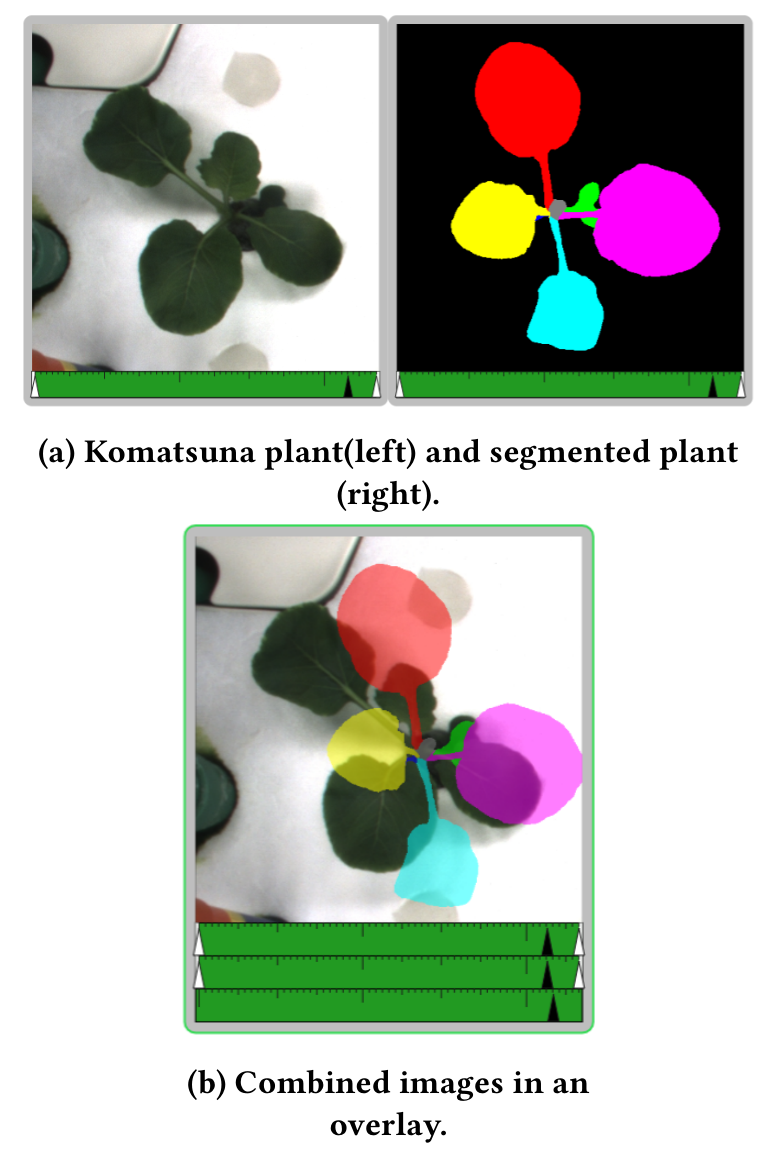
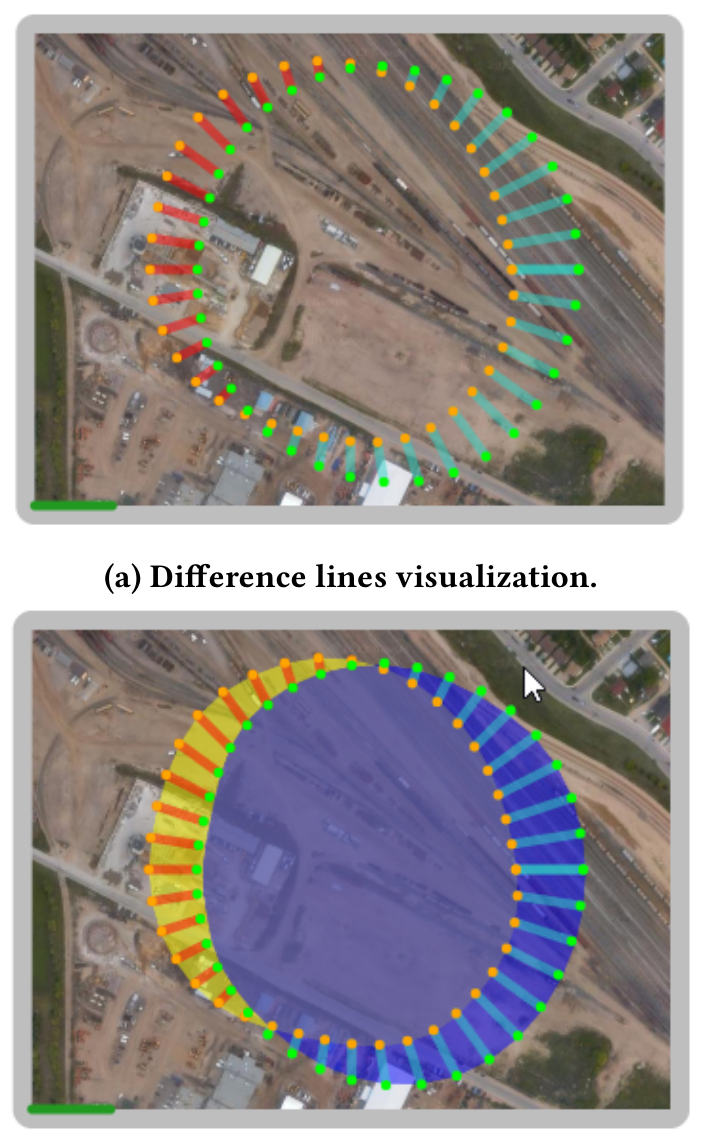
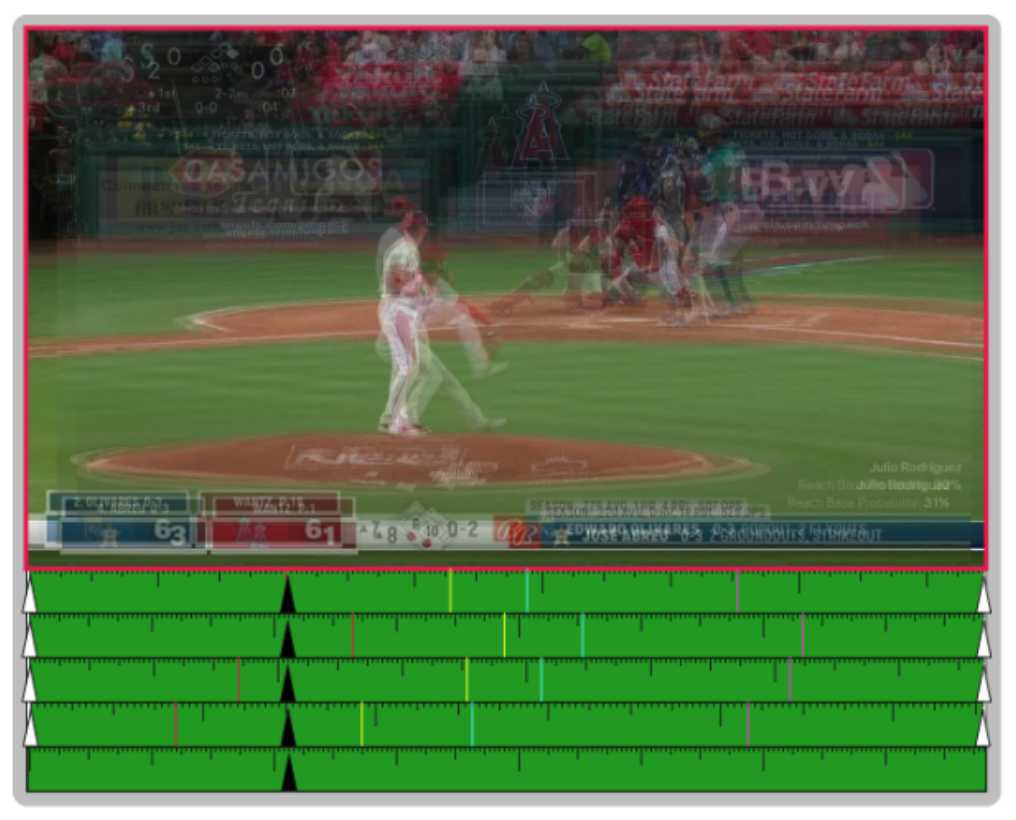
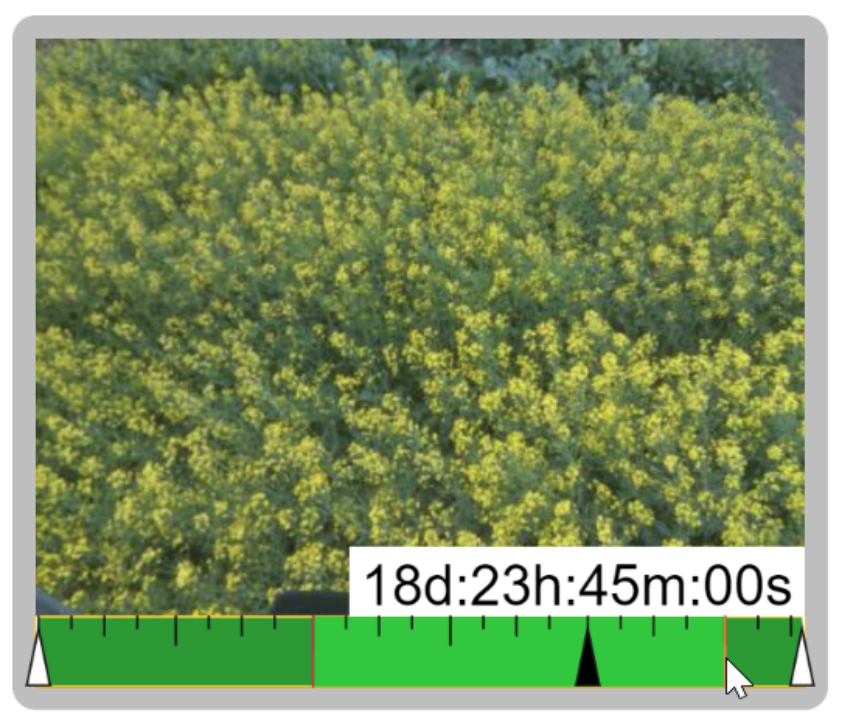
Comparison is a well-studied task in visual analytics, but there is still little support for comparison of temporal streams such as video. There are a wide range of tasks that involve video comparison, but there are very few systems or techniques to support this kind of analysis. To help address this problem, we have developed new interaction techniques that explicitly support video comparison. We provide techniques for equalizing the reference frame of videos to be compared, juxtaposition techniques for enhancing side-by-side and small-multiples comparisons, superposition techniques for comparing overlaid videos, explicit-encoding techniques that visualize differences between extracted points, and temporal-to-linear techniques that translate between a temporal sequence of frames and a 1D timeline. We built a demonstration system with five different datasets, and evaluated our interaction techniques in two ways: an analysis of steps to show their efficiency, and a preliminary user study to explore learnability, utility, and usability.
Figures
BibTeX
@inproceedings{10.1145/3670947.3670948,
  author = {Baker, Adam and Gutwin, Carl and Matejka, Justin and Stavness, Ian},
  title = {Interaction Techniques for Comparing Video},
  year = {2024},
  isbn = {9798400718281},
  publisher = {Association for Computing Machinery},
  address = {New York, NY, USA},
  url = {https://doi.org/10.1145/3670947.3670948},
  doi = {10.1145/3670947.3670948},
  abstract = {Comparison is a well-studied task in visual analytics, but there is still little support for comparison of temporal streams such as video. There are a wide range of tasks that involve video comparison, but there are very few systems or techniques to support this kind of analysis. To help address this problem, we have developed new interaction techniques that explicitly support video comparison. We provide techniques for equalizing the reference frame of videos to be compared, juxtaposition techniques for enhancing side-by-side and small-multiples comparisons, superposition techniques for comparing overlaid videos, explicit-encoding techniques that visualize differences between extracted points, and temporal-to-linear techniques that translate between a temporal sequence of frames and a 1D timeline. We built a demonstration system with five different datasets, and evaluated our interaction techniques in two ways: an analysis of steps to show their efficiency, and a preliminary user study to explore learnability, utility, and usability.},
  booktitle = {Proceedings of the 50th Graphics Interface Conference},
  articleno = {5},
  numpages = {13},
  keywords = {Visual comparison, interaction techniques, time-lapse, video},
  location = {Halifax, NS, Canada},
  series = {GI '24},
}