Office central
Abstract
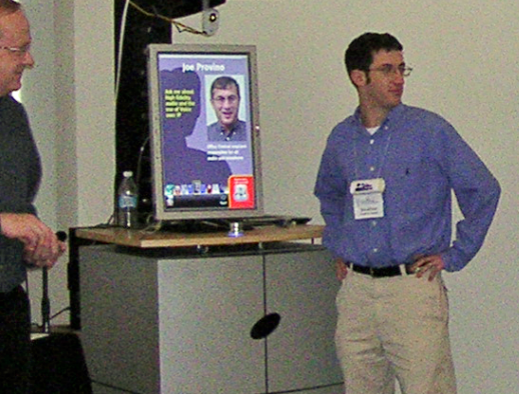
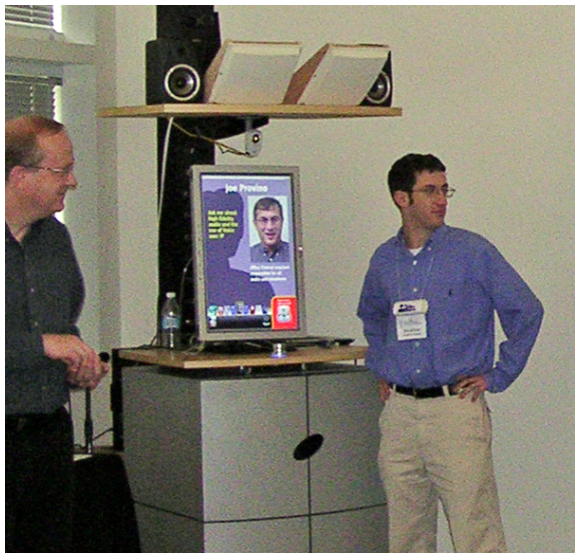
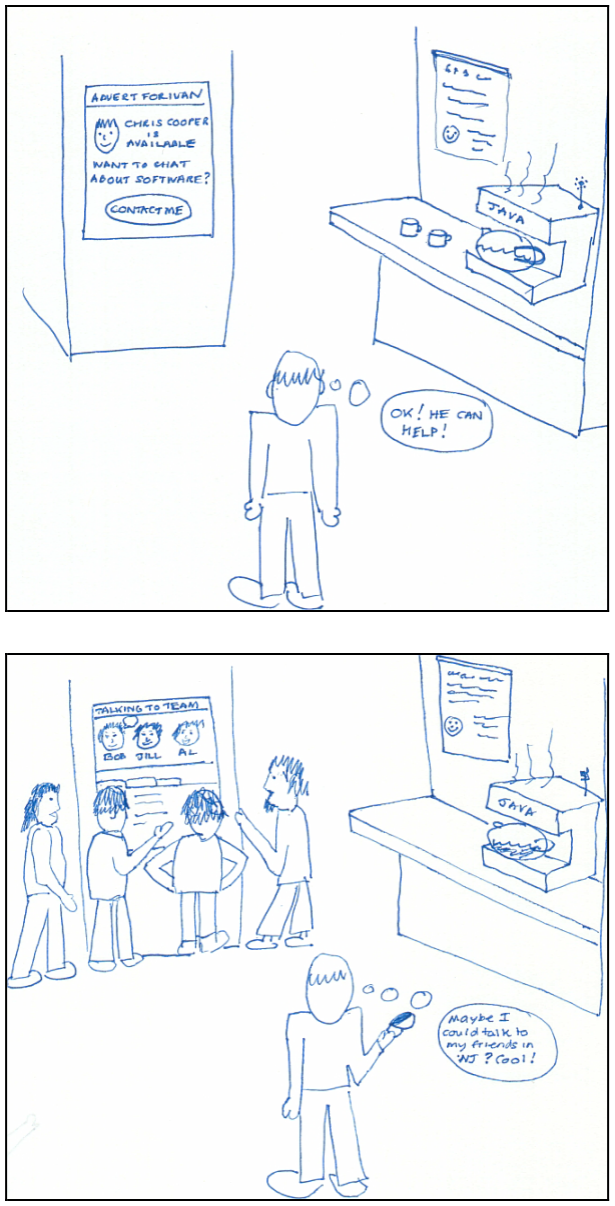
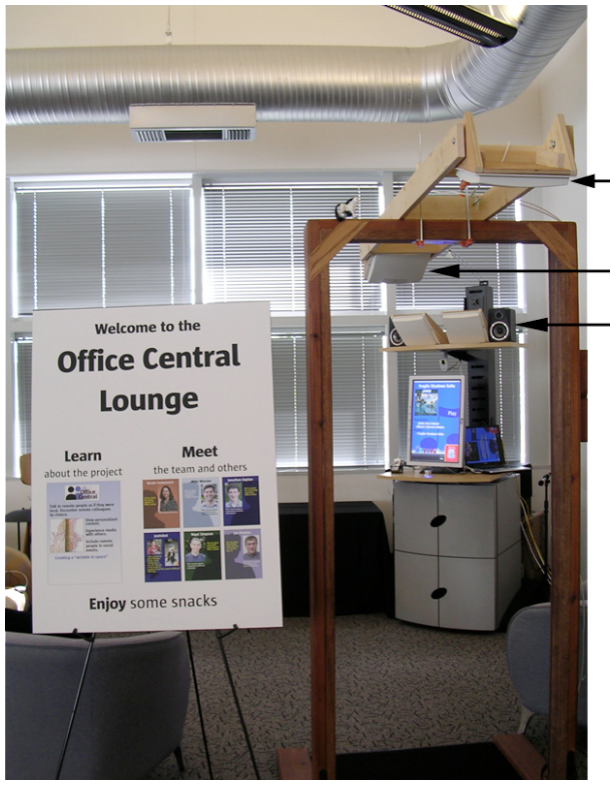
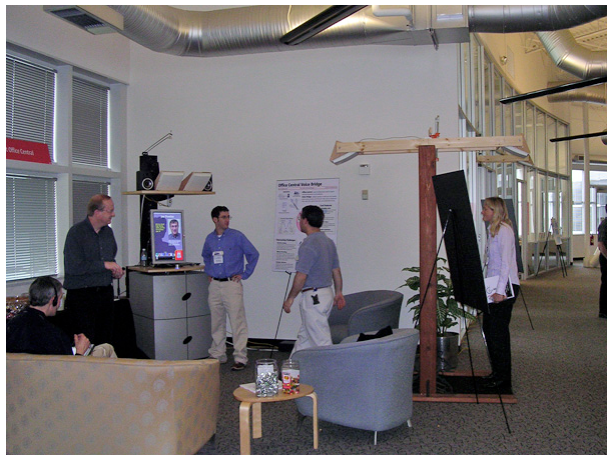
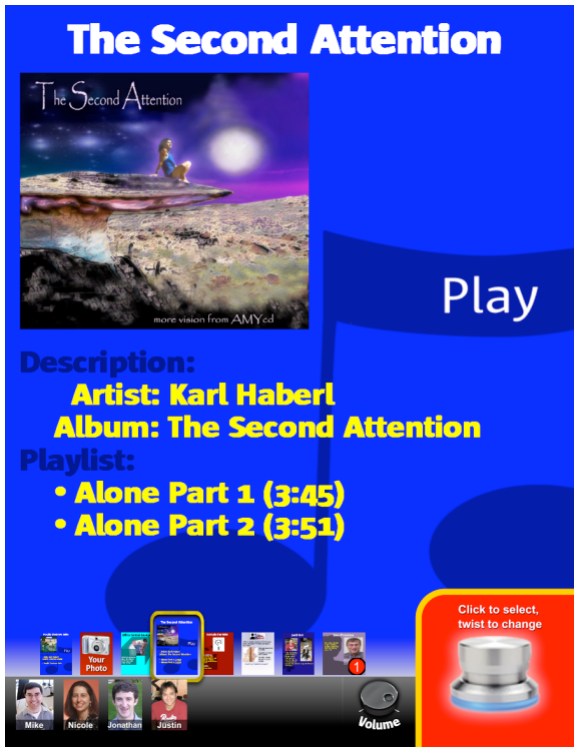
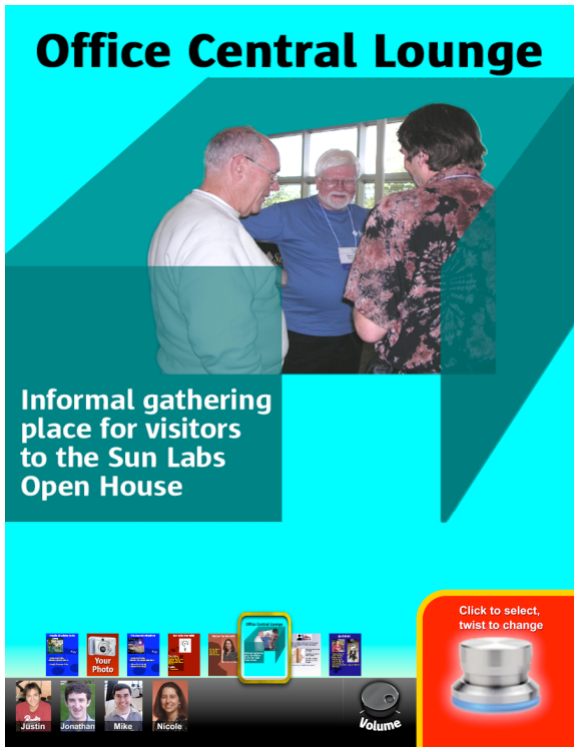
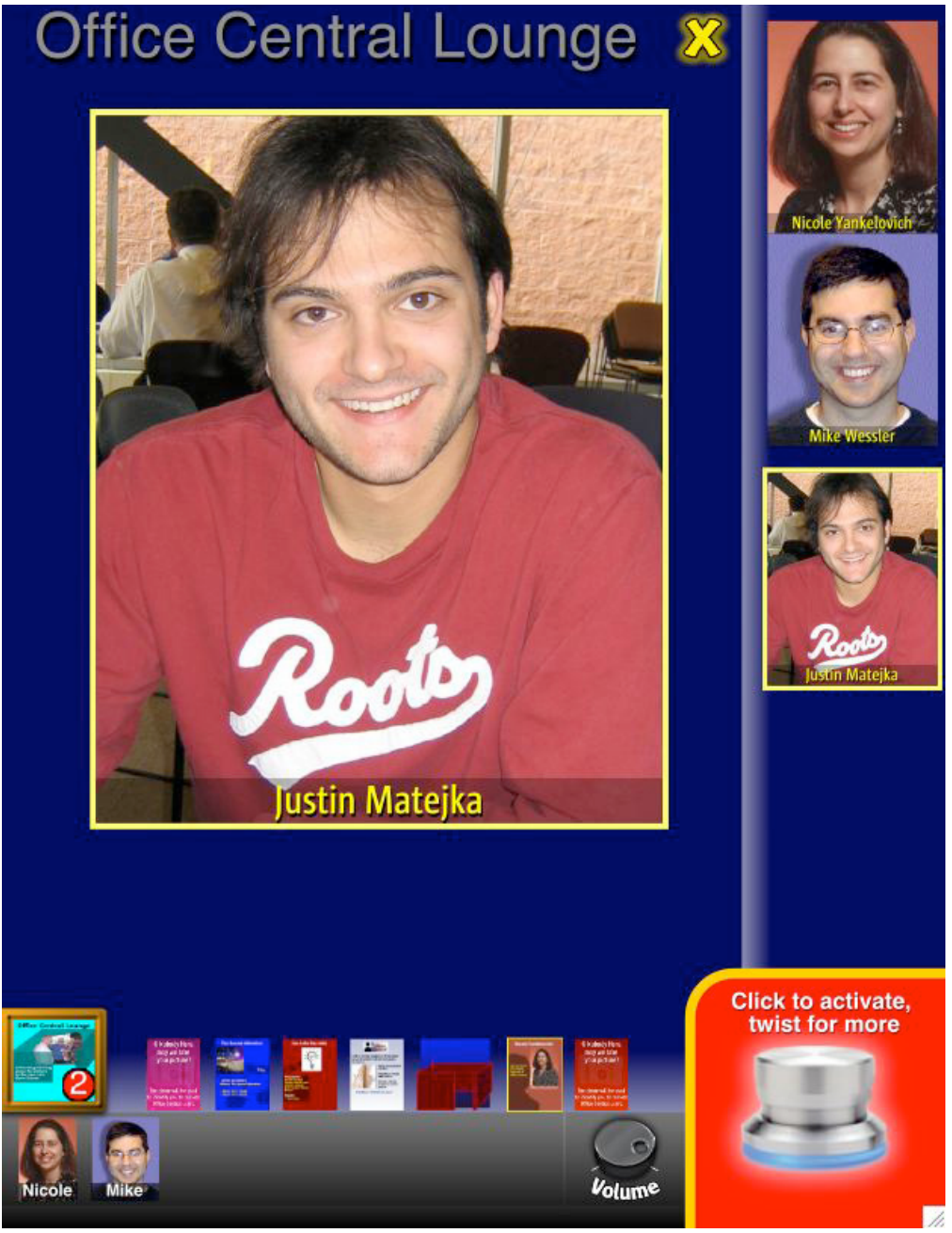
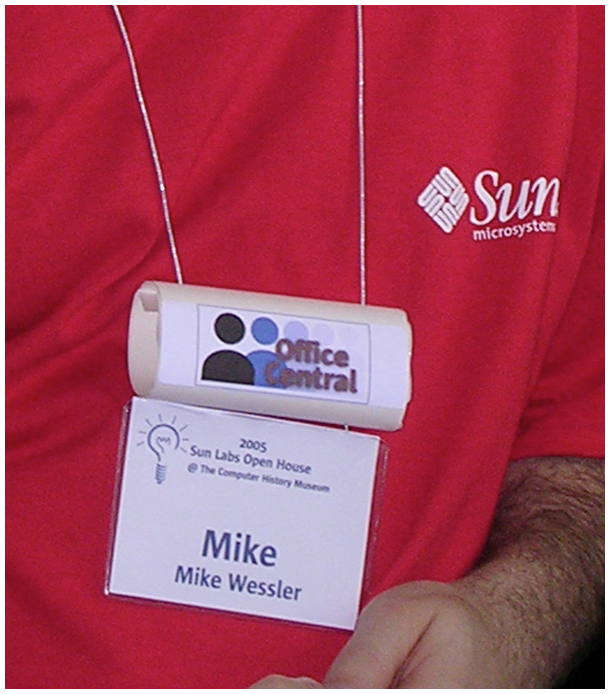
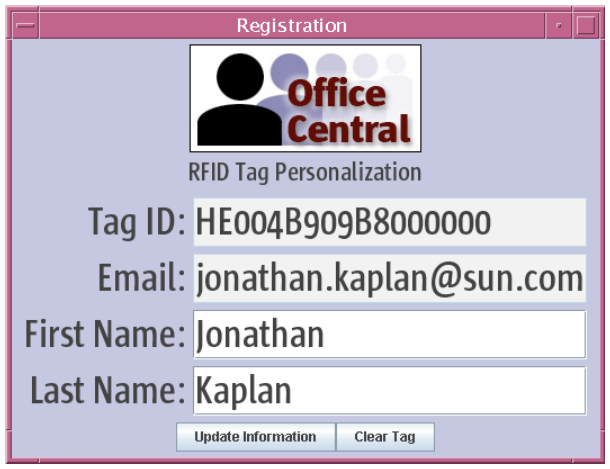
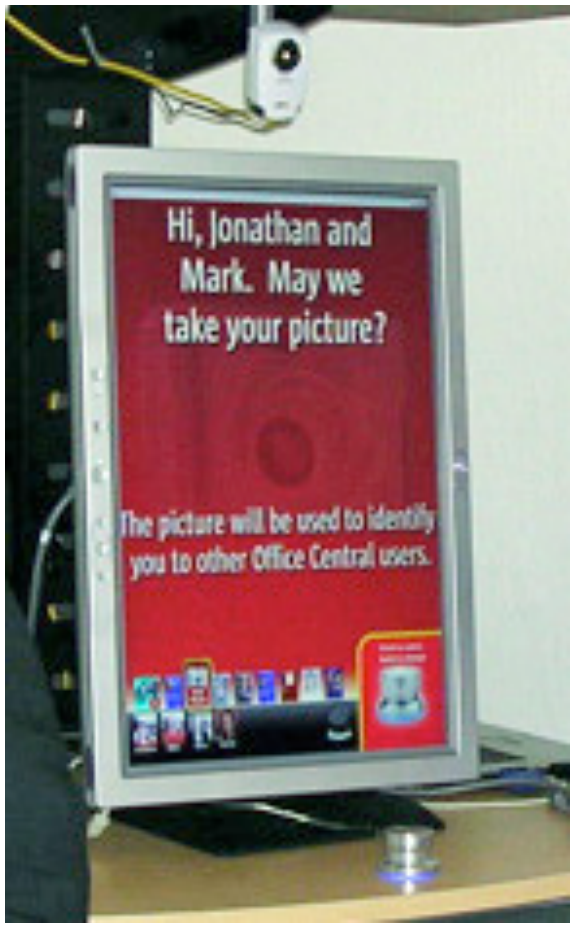
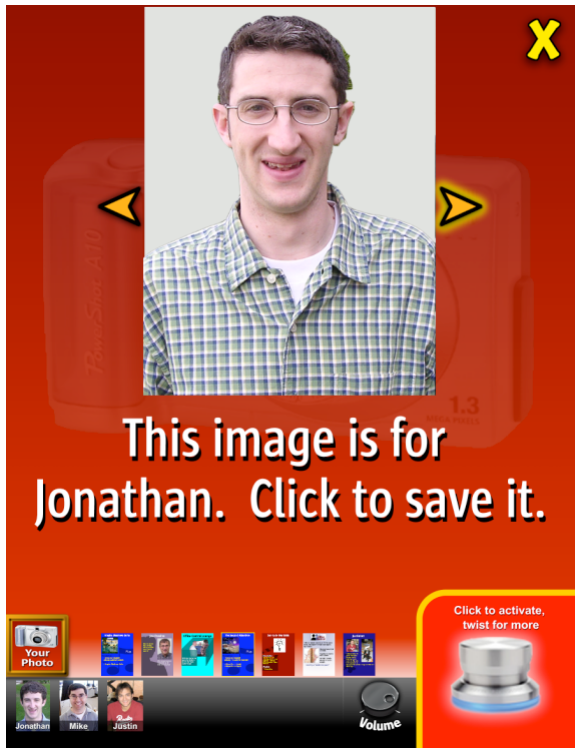
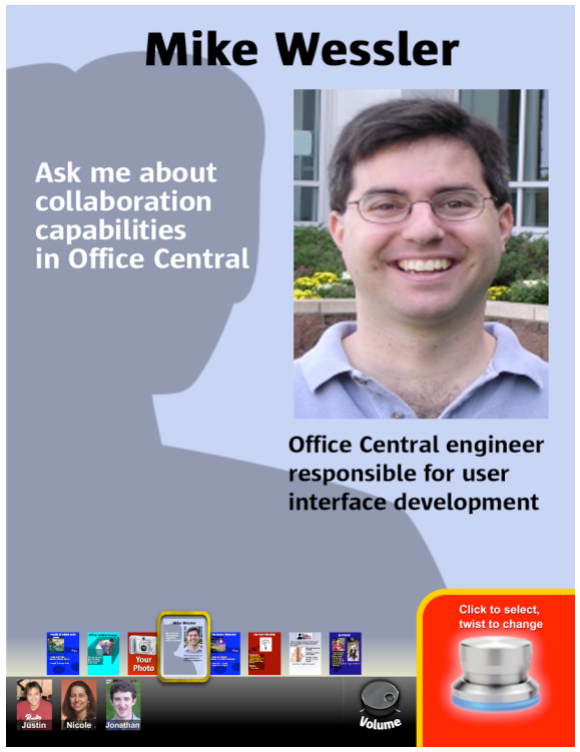
Using Office Central, remote workers can "advertise" their presence in public spaces within offices, such as break areas, lounges or cafeterias. The design concept is to encourage informal, unplanned interactions between remote workers and those who pass through the public spaces. In this prototype installation at the Computer History Museum in Mountain View, CA, we set up a lounge area with an Office Central picture window display (Figure 1). The local people in the lounge, wearing RFID tags for identification, could chat informally with remote people using a high-fidelity, CD-quality audio channel. The virtual meeting places included audio and video content, designed to be experienced jointly by the local and remote people. Some content was also tailored to the local people, updating as they approached the picture window display.
Figures
BibTeX
@inproceedings{10.5555/1138235.1138295,
author = {Yankelovich, Nicole and Wessler, Mike and Kaplan, Jonathan and Provino, Joe and Simpson, Nigel and Haberl, Karl and Matejka, Justin},
title = {Office central},
year = {2005},
isbn = {159593250X},
publisher = {AIGA: American Institute of Graphic Arts},
address = {New York, NY, USA},
abstract = {Using Office Central, remote workers can "advertise" their presence in public spaces within offices, such as break areas, lounges or cafeterias. The design concept is to encourage informal, unplanned interactions between remote workers and those who pass through the public spaces. In this prototype installation at the Computer History Museum in Mountain View, CA, we set up a lounge area with an Office Central picture window display (Figure 1). The local people in the lounge, wearing RFID tags for identification, could chat informally with remote people using a high-fidelity, CD-quality audio channel. The virtual meeting places included audio and video content, designed to be experienced jointly by the local and remote people. Some content was also tailored to the local people, updating as they approached the picture window display.},
booktitle = {Proceedings of the 2005 Conference on Designing for User EXperience},
pages = {52–es},
keywords = {RFID, collaborative work, distance collaboration, high-fidelity audio, user experience},
location = {San Francisco, California, USA},
series = {DUX '05}
}