k
j
![]()
The Design and Evaluation of Multi-Finger Mouse Emulation Techniques
Abstract
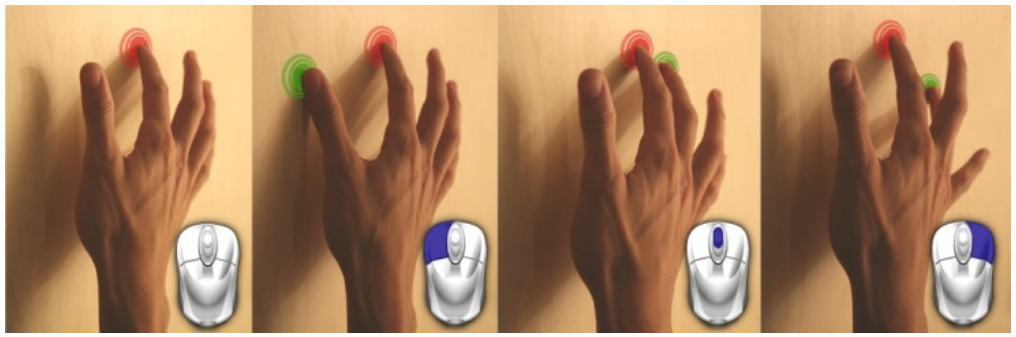
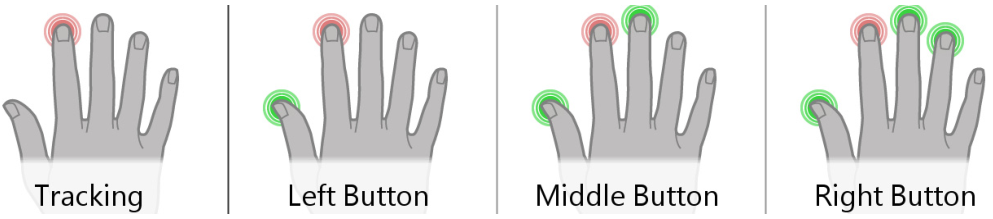
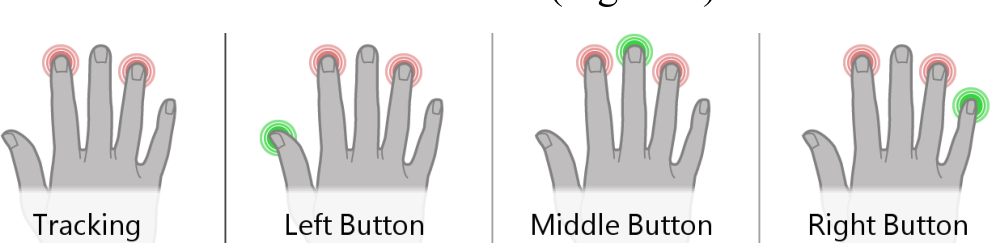
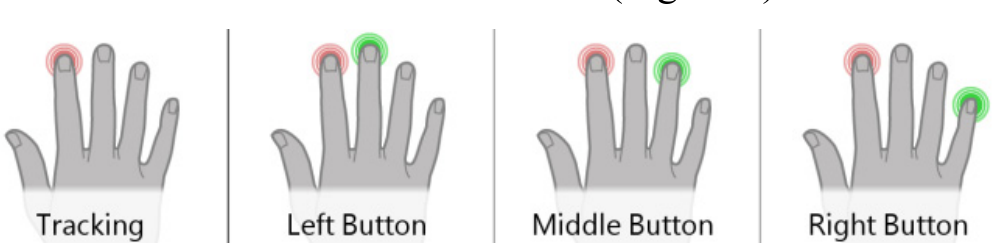
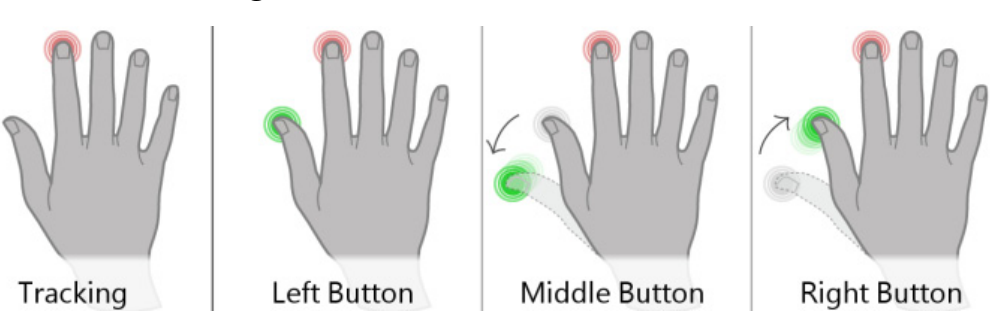
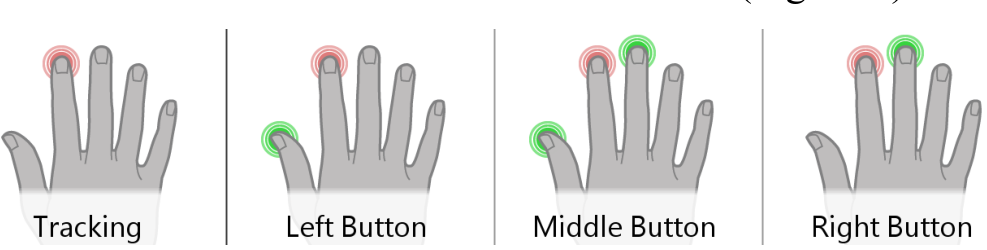
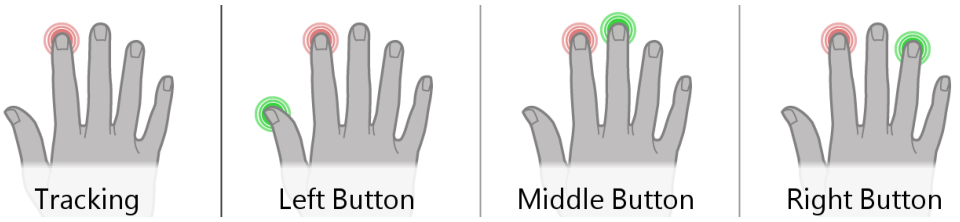
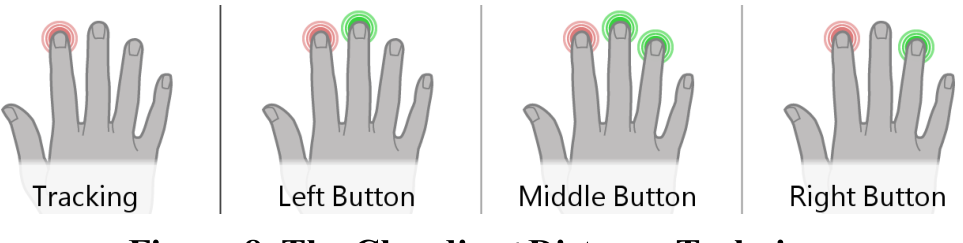
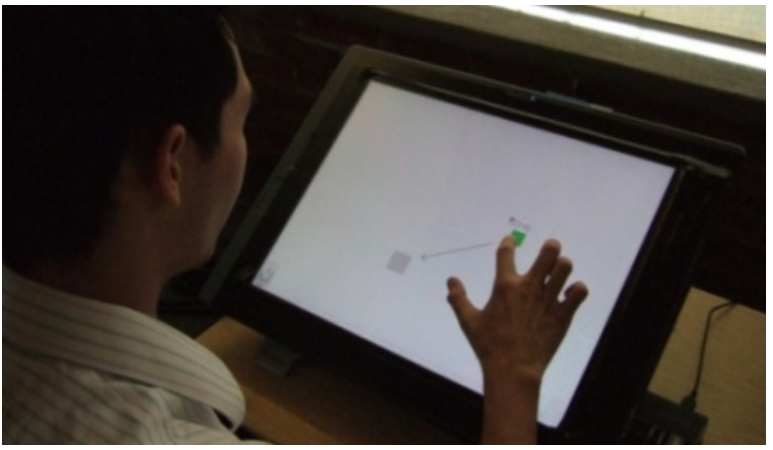
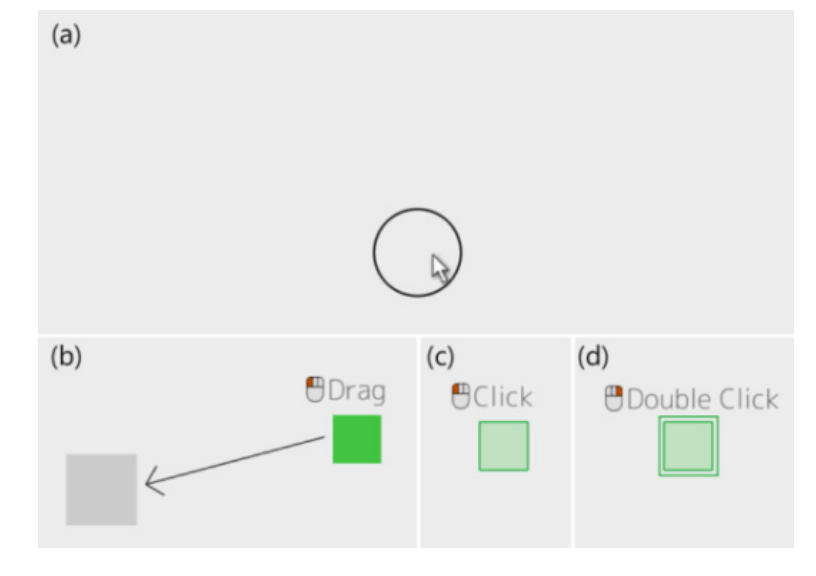
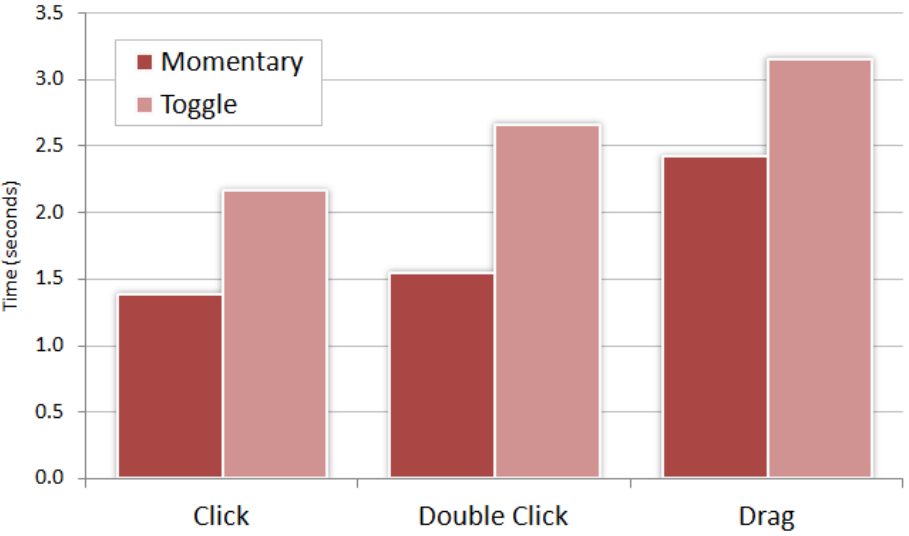
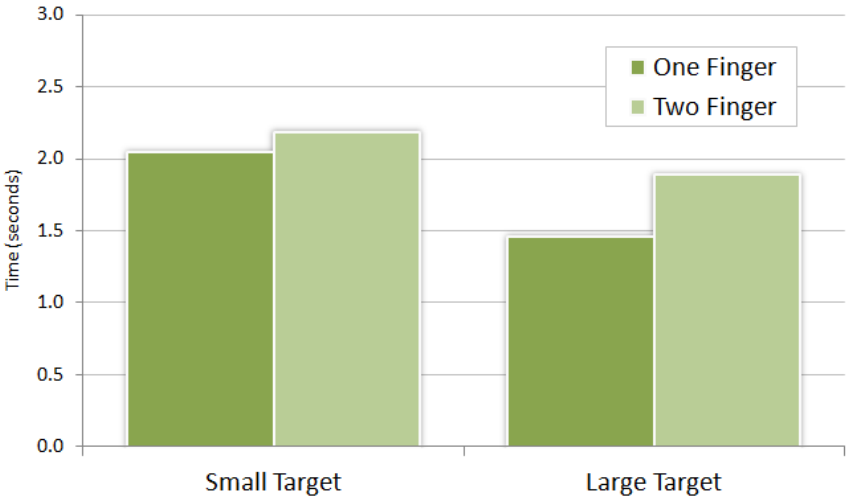
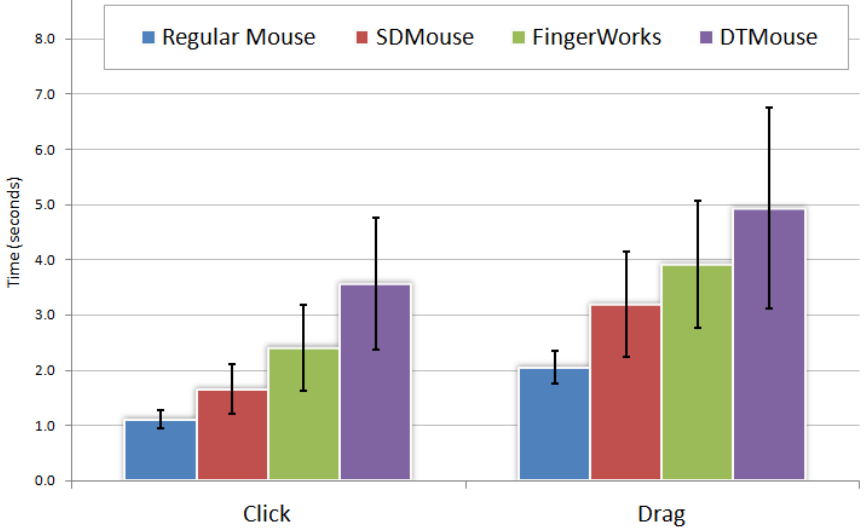
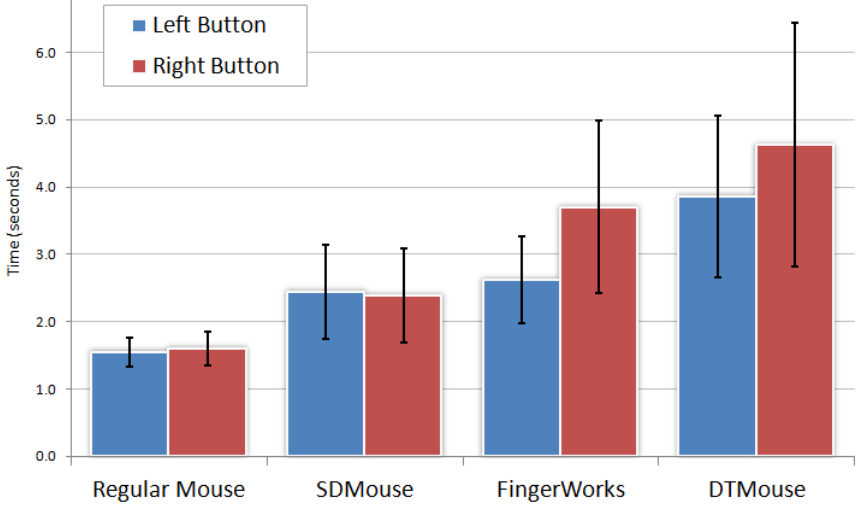
We explore the use of multi-finger input to emulate full mouse functionality, such as the tracking state, three buttons, and chording. We first present the design space for such techniques, which serves as a guide for the systematic investigation of possible solutions. We then perform a series of pilot studies to come up with recommendations for the various aspects of the design space. These pilot studies allow us to arrive at a recommended technique, the SDMouse. In a formal study, the SDMouse was shown to significantly improve performance in comparison to previously developed mouse emulation techniques.
Figures
BibTeX
@inproceedings{10.1145/1518701.1518865,
 abstract = {We explore the use of multi-finger input to emulate full mouse functionality, such as the tracking state, three buttons, and chording. We first present the design space for such techniques, which serves as a guide for the systematic investigation of possible solutions. We then perform a series of pilot studies to come up with recommendations for the various aspects of the design space. These pilot studies allow us to arrive at a recommended technique, the SDMouse. In a formal study, the SDMouse was shown to significantly improve performance in comparison to previously developed mouse emulation techniques.},
 address = {New York, NY, USA},
 author = {Matejka, Justin and Grossman, Tovi and Lo, Jessica and Fitzmaurice, George},
 booktitle = {Proceedings of the SIGCHI Conference on Human Factors in Computing Systems},
 doi = {10.1145/1518701.1518865},
 isbn = {9781605582467},
 keywords = {mouse emulation, multi-finger input, multi-touch displays},
 location = {Boston, MA, USA},
 numpages = {10},
 pages = {1073–1082},
 publisher = {Association for Computing Machinery},
 series = {CHI '09},
 title = {The Design and Evaluation of Multi-Finger Mouse Emulation Techniques},
 url = {https://doi.org/10.1145/1518701.1518865},
 year = {2009}
}