The Role of Visualization in the Naturalization of Remote Software Immigrants
Abstract
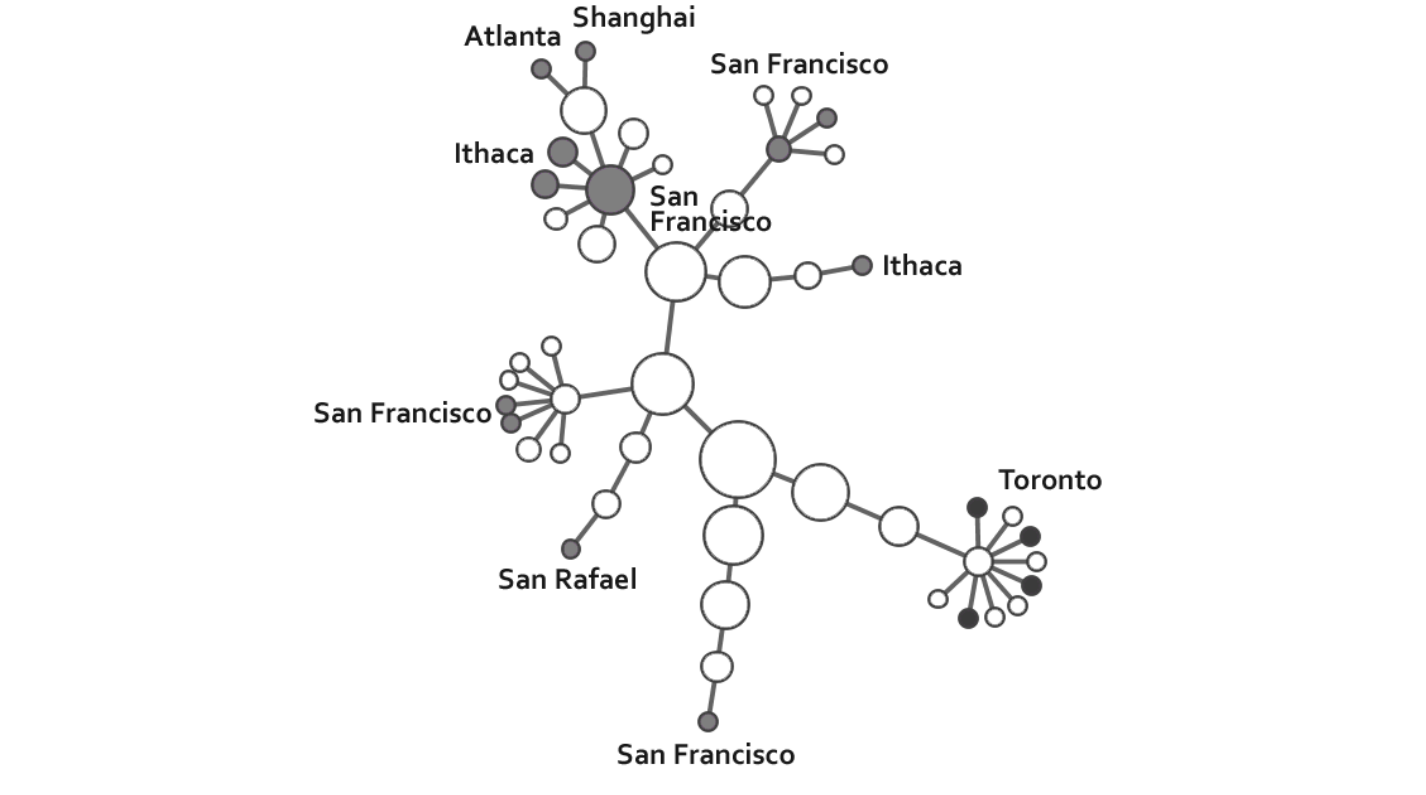
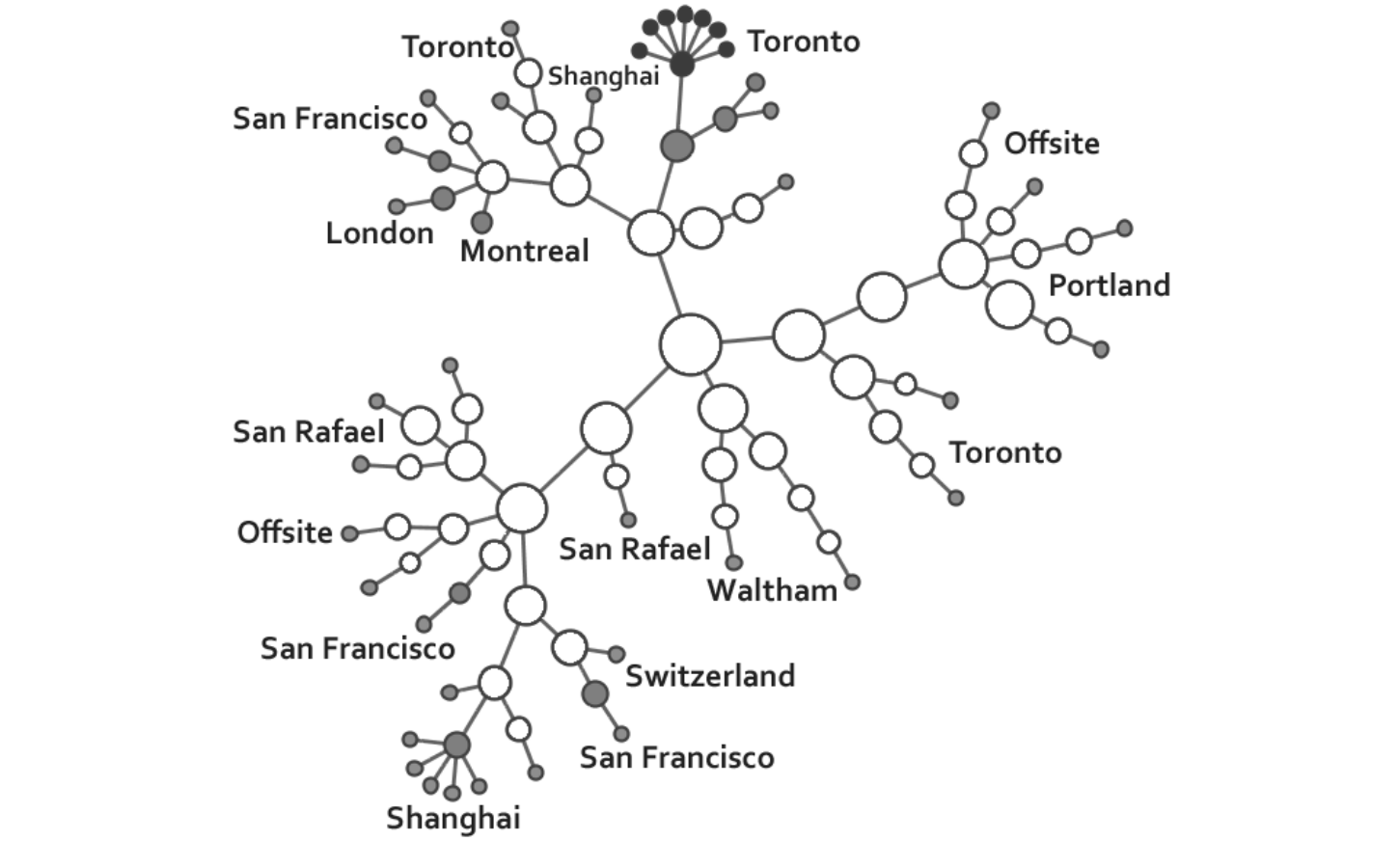
Software development is commonly becoming a globally distributed task, often due to mergers and acquisitions, globalization, cross-divisional efforts, outsourcing, or even telecommuting. Individuals -and entire teams- are suddenly faced with new challenges when they must move from the traditional synchronous co-located paradigm to the newer asynchronous distributed paradigm. While previous work has examined collocated software immigrants, we investigate remote immigrants who may be working synchronously or asynchronously, and report on the naturalization process. Specifically, we focus on the role of visualization in helping with this process. The case study presented is exploratory in nature with data collected via pilot interviews. We found a number of issues impeding normal workflow, as perceived by participants who recently became remote software immigrants, and we discuss how visualization tools were developed to help them to understand the process.
Figures
BibTeX
@inproceedings{DBLP:conf/se/KhanME09,
  author       = {Azam Khan and
                  Justin Matejka and
                  Steve M. Easterbrook},
  editor       = {J{\"{u}}rgen M{\"{u}}nch and
                  Peter Liggesmeyer},
  title        = {The Role of Visualization in the Naturalization of Remote Software
                  Immigrants},
  booktitle    = {Software Engineering 2009 - Workshopband, Fachtagung des GI-Fachbereichs
                  Softwaretechnik 02.-06.03.2009 in Kaiserslautern},
  series       = {{LNI}},
  pages        = {155--160},
  publisher    = {{GI}},
  year         = {2009},
  url          = {https://dl.gi.de/handle/20.500.12116/20366},
  timestamp    = {Tue, 04 Jul 2023 17:42:56 +0200},
  biburl       = {https://dblp.org/rec/conf/se/KhanME09.bib},
  bibsource    = {dblp computer science bibliography, https://dblp.org}
}